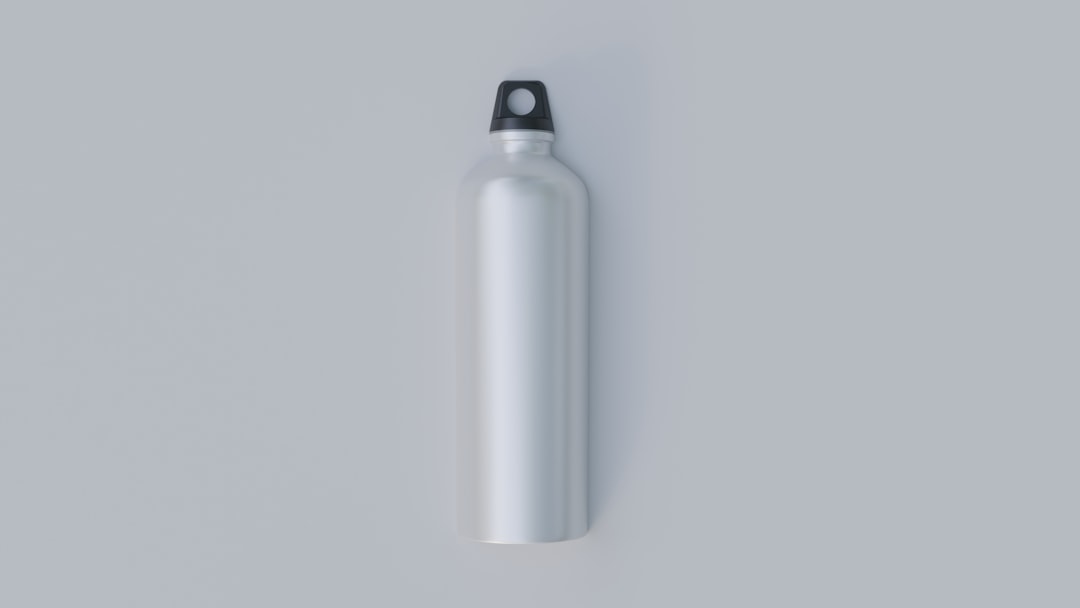
I’ve owned an embarrassing number of water bottles over the years — most of them crammed into a cabinet, used maybe three times before something shinier caught my eye. Here’s the thing nobody tells you: the most sustainable water bottle isn’t the one with the prettiest eco label or the most recycled-content marketing. It’s the one you actually grab every single morning and take with you.
Material Comparison
Stainless steel is genuinely the best material for a reusable bottle, and I say that after years of trying basically everything else. It doesn’t leach anything into your water, it holds up to real daily use, and when it finally does reach the end of its life — which could be decades from now — it’s fully recyclable. Glass is lovely and totally inert too, but I’ve broken two glass bottles in my car alone, so make of that what you will. Hard plastic, even the BPA-free stuff, isn’t as clean as it sounds — manufacturers often swap in other plasticizers that aren’t well studied. For long-term use, stainless steel wins pretty clearly.
Insulation: Double Wall vs Single Wall
Double-walled vacuum insulation keeps cold drinks cold for around 24 hours and hot drinks hot for about 12 — I tested this with iced coffee last August and was genuinely surprised when it was still cold at 4pm. Yes, insulated bottles cost more upfront, usually $30–$45 for a good one versus $10–$15 for single wall. But that price difference matters a lot less when you consider that a bottle you actually enjoy using is one you’ll reach for every day. My single-wall bottle sat on the shelf all summer. My insulated one goes everywhere with me.
Lid and Opening Design
This is the detail people overlook, and it’s the one that actually determines whether a bottle becomes part of your daily routine or collects dust. Wide-mouth openings are easier to fill at home, easier to stuff ice into, and way easier to clean — you can actually get your hand in there. Flip tops are great for commuting when you’re driving and can’t unscrew a cap. Straw lids work really well for desk use or the gym. Think about where you spend most of your time and what would genuinely feel convenient there, not what looks cool on the shelf.
Size: Getting It Right
Size is one of those things that seems obvious until you get it wrong. A 40-ounce bottle sounds great until you’re lugging it around and leaving it in the car because it’s too heavy for your bag. Most people I know — myself included — do really well with something in the 17-to-24-ounce range for desk work and commuting. If you’re hiking or doing long workouts, 32 ounces makes more sense. My husband thought bigger was always better until he started actually carrying a 24-ounce bottle daily and realized he was drinking way more water than before. One bottle that’s right for your life beats five bottles you rotate without ever really committing to any of them.
Cleaning and Maintenance
A bottle you can’t clean well is a bottle you’ll stop using — full stop. Biofilm builds up faster than you’d think, especially if you’re putting anything other than water in there, and once it smells funky, most people just quietly retire it. Wide-mouth stainless bottles are easy to scrub with a long bottle brush (I use one I got for $6 at Target). One thing to watch: most insulated bottles are not dishwasher safe, specifically the lid components. It warps the seal and kills the insulation over time. Hand wash the lid, toss the body in the dishwasher if the manufacturer says it’s okay — just check before you assume.
Final Thoughts
One solid stainless steel bottle used every day for ten years has a fraction of the environmental footprint of cycling through ten cheaper bottles over that same stretch. That’s not a complicated equation. Buy the one that fits your actual life — your bag size, your routine, your cleaning habits — and then just use it. I’ve had my current bottle for four years and it still looks almost new. That’s the whole point, really.
Check out our other eco-friendly guides.