Cling wrap is one of those things you don’t really question — until you do. Then you realize it’s made from petroleum, nearly impossible to recycle, and quietly contributing to microplastic pollution every time it hits a landfill. I started looking for alternatives about two years ago and honestly? Every single use case has something better. You just have to know what to reach for.
Beeswax Wraps
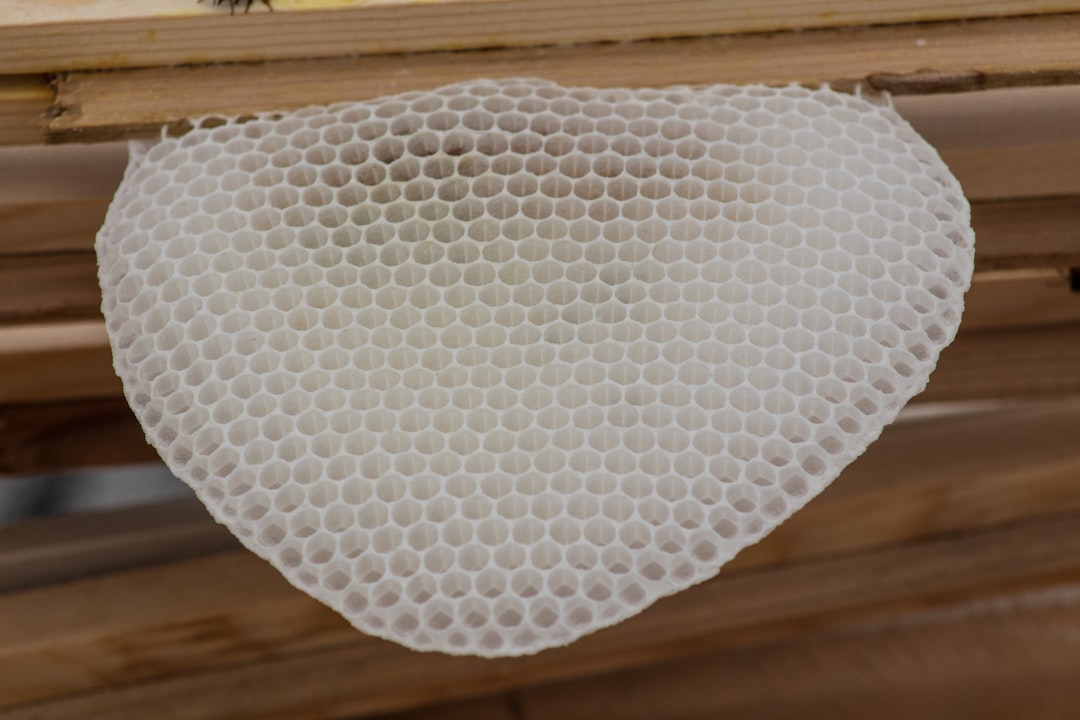
These were the first swap I made, and they’re still my favorite. Beeswax wraps are great for covering half a cantaloupe, wrapping a sandwich, or pressing down over a bowl of leftovers — you just cup the wrap in your hands for a few seconds, and the warmth of your skin activates the wax so it molds right into place. It feels a little weird the first time, then totally natural. Wash them in cool water (hot water melts the wax — learned that the hard way), and a good wrap lasts six months to a year of regular use. The one real limitation: skip them for raw meat. Not the right tool for that job.
Silicone Stretch Lids
My husband was skeptical about these until he actually used them. Silicone stretch lids fit over basically anything round — a coffee mug, a mixing bowl, a cut watermelon half — and they create a genuinely airtight seal. They go in the microwave, the dishwasher, the freezer, no problem. One set of six lids covers every size you’d realistically need and lasts for years. I’ve had mine for over two years and they still look brand new.
Reusable Silicone Bags
These replaced zip-lock bags entirely in our kitchen, and I didn’t think that was going to happen. Reusable silicone bags seal airtight, lay completely flat in the freezer (which is huge for saving space), and go right in the dishwasher. A quality set of four or five runs about $25–$30 — more upfront than a box of zip-locks, sure, but I haven’t bought a box of disposable bags since I got them, so they’ve more than paid for themselves.
The Plate-Over-Bowl Method (Free)
This one surprised me because it’s so obvious once you think about it. A flat dinner plate set over a bowl works perfectly for refrigerator storage — no wrap needed, no special purchase. Same idea with bread: a slightly damp cloth draped over the loaf keeps it from drying out better than plastic anyway. Before you buy anything new, it’s worth asking whether something already sitting in your cabinet does the exact same job.
Cloth and Cotton Bags for Produce
Fresh herbs wrapped in a damp cloth and tucked in the fridge will outlast anything stored in plastic — I actually tried this last winter with cilantro and it stayed fresh for almost two weeks. Lettuce keeps longer in a cloth bag than sealed in plastic wrap, and a cloth bread bag keeps a loaf soft without trapping moisture the way plastic does. For a lot of the things we automatically reach for plastic wrap to cover, cloth is genuinely the better option. Not just the greener one — the better one.
Final Thoughts
There’s a real alternative for every single thing you’d normally use plastic wrap for. If you’re not sure where to start, grab one beeswax wrap or a set of silicone stretch lids, use them for a week, and see what you think. That’s genuinely all it takes. The first swap makes the next one feel easy — and before long you’ll look at that roll of cling wrap in your drawer and wonder why you kept it around so long.
Check out our other eco-friendly guides.