How to Teach Kids About Sustainability: Fun Activities That Work
Learn how to teach kids about sustainability with hands-on, age-appropriate activities like composting and gardening that build lifelong green habits.
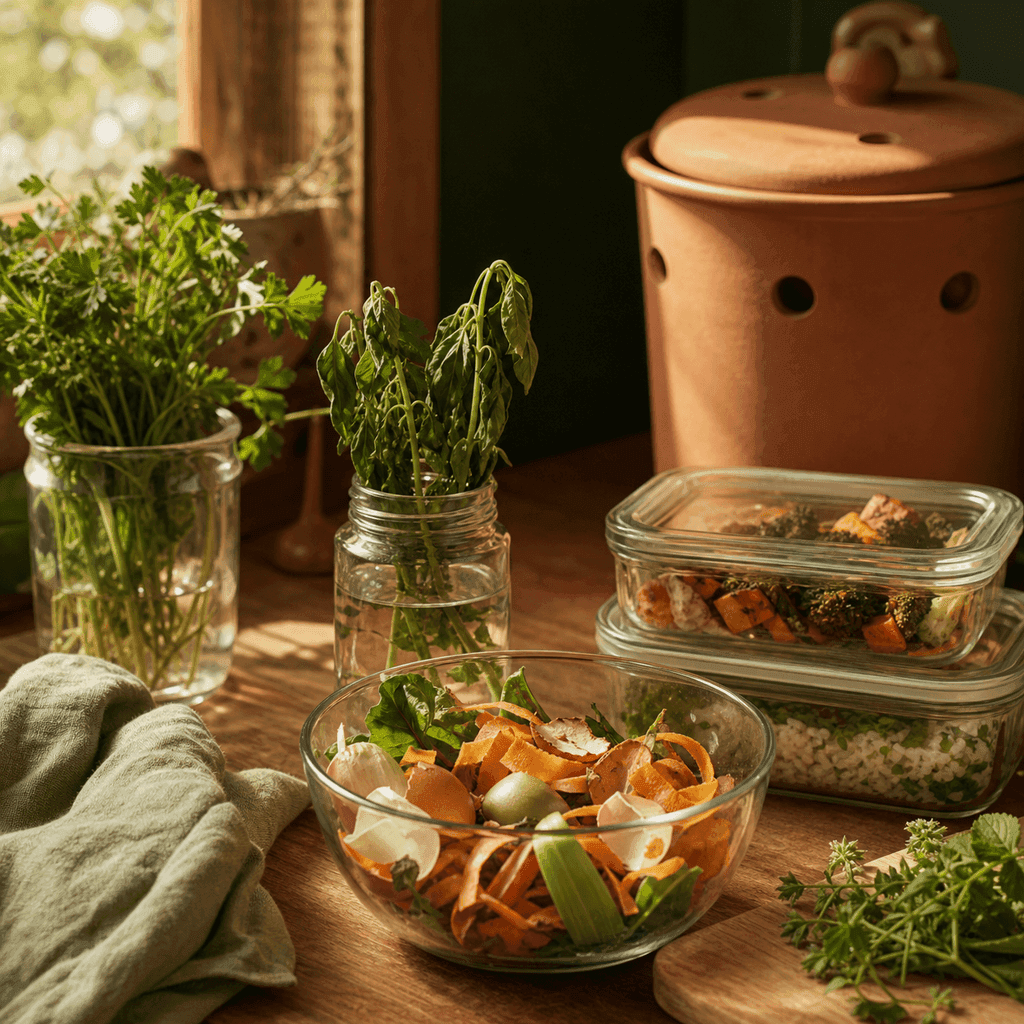
The most effective way to teach kids about sustainability isn't a lecture about melting ice caps. It's letting them get their hands dirty. Children learn what's normal by living it, so when composting, gardening, and reusing are simply how your household works, those habits stick for life without a single guilt trip.
Here's how to make it fun and age-appropriate, from toddlers to teens.
Ages 3 to 5: Sensory and Direct Experience
Little kids don't need explanations. They need to touch things, smell things, and dig things up. My niece was three when she first helped drop banana peels into the compost bin, and the look on her face was pure fascination.
At this age, you're building positive associations, not understanding. Keep it playful:
- Let them add fruit and veggie scraps to the compost
- Give them a small watering can and a plant that's theirs to tend
- Set aside a patch of dirt they're allowed to dig in freely
- Go on a "nature treasure hunt" and collect leaves, rocks, and seeds
The goal is simply that the natural world feels like a friend, not a chore.
Ages 6 to 9: Cause and Effect
Once kids hit school age, they start loving the "why" behind things. This is the perfect window to connect actions to outcomes they can actually see.
Plant seeds together and track their growth on a chart. Set up a clear jar to watch food scraps break down over weeks. Sort the recycling as a game, calling out which bin each item belongs in. Kids this age also respond to gentle numbers, like how many plastic bottles the family avoided this month by using reusable ones.
Children this age are natural scientists. Give them something to observe over time, and they'll teach themselves lessons that no worksheet ever could.
Ages 10 and Up: Ownership and Real Choices
Older kids and teens want their contributions to matter, so hand them real responsibility. Put them in charge of the compost bin, the household recycling, or a section of the garden that's genuinely theirs.
Projects that build ownership
- Growing a vegetable the whole family eats at dinner
- Planning a low-waste birthday party
- Researching and choosing a reusable product for the house
- Calculating the family's water or energy savings from a new habit
At this age, honesty works better than sugar-coating. Talk about real trade-offs and let them form their own opinions. Kids who feel trusted with real choices carry that confidence forward.
Make It the Default, Not a Lesson
The single biggest lever is what your family simply does every day. If reusable bags live by the door, if the compost bin sits on the counter, if water gets turned off while teeth are brushed, kids absorb all of it as ordinary life.
Children copy what they see far more than what they're told. So the most powerful teaching tool is your own behavior. When they watch you choose the reusable bottle, repair instead of replace, and get excited about the first tomato of the season, they learn that caring for the planet is just part of being a thoughtful person.
The Long Game
Teaching kids about sustainability isn't about producing a perfectly green child by next month. It's about planting habits and values that quietly grow for decades. The toddler dropping peels into the compost becomes the teen running the household recycling, and eventually the adult who does all of it without thinking.
So keep it hands-on, keep it age-appropriate, and above all keep it fun. Let them dig, plant, water, and sort. Celebrate the small wins together. The lessons that stick are the ones kids live, not the ones they're lectured about, and the muddiest afternoons often teach the most.
Sarah Mitchell
Founder & Editor
Writer, home cook, and slightly obsessive gardener sharing small, doable ways to live a little lighter. Sarah started Earth Friendly Blogs at her own kitchen table. More from Sarah →