How to Compost Tea Bags: A Complete Eco-Friendly Guide
Learn how to compost tea bags the right way at home, which bags are truly compostable, and how to spot the plastic ones before they reach your bin.
Your morning cup of tea can keep giving long after the last sip. Those spent tea bags are packed with nitrogen-rich organic matter, and learning how to compost tea bags is one of the easiest ways to shrink your kitchen waste while feeding your garden.
The catch is that not every tea bag belongs in the compost. Some are made almost entirely of paper and plant fiber, while others hide a thin layer of plastic that never breaks down. Once you know how to tell them apart, composting becomes second nature.
Which Tea Bags Are Actually Compostable
Tea bag materials have changed a lot over the years, and that's exactly why a quick check matters before anything hits your bin.
- Paper bags are usually compostable, but many are sealed with polypropylene, a plastic that keeps the edges from opening. The leaves compost; the seal doesn't.
- Silken or mesh pyramid bags may be nylon (not compostable) or PLA, a corn-based bioplastic that only breaks down in a hot commercial facility, not a backyard pile.
- Unbleached, string-and-staple bags from many organic brands are the safest bet and often fully home-compostable.
When in doubt, do the tear test. If the empty bag pulls apart cleanly into fibers, it's likely paper. If it stretches or leaves behind a thin translucent skeleton, that's plastic.
The simplest fix of all: tear the bag open, compost the leaves, and let the wrapper's material decide where the bag itself goes.
How to Compost Tea Bags Step by Step
Here's the routine I use for a clean, no-fuss result.
- Let it cool so you're not adding hot, dripping material to the bin.
- Remove the staple, string, and tag. Staples are metal and the tag is often coated paper.
- Tear the bag open and empty the used leaves into your compost.
- Add the bag only if it's plastic-free. Otherwise, compost the leaves and trash the wrapper.
- Balance the moisture by tossing in a handful of browns like shredded cardboard or dry leaves.
Loose-leaf tea skips most of these steps entirely, which is one more reason it's worth considering if you drink tea daily.
Why Tea Leaves Are Great for Compost
Used tea leaves are a "green" in composting terms, meaning they're rich in nitrogen that fuels the microbes breaking your pile down. They bring real benefits:
- A gentle nitrogen boost that helps balance carbon-heavy browns
- A slightly acidic profile that acid-loving plants like blueberries appreciate
- Moisture and structure that keep a pile from drying out
- Trace minerals released as the leaves decompose
They break down quickly too, usually disappearing into rich, dark compost within a season.
Common Mistakes to Avoid
A few small habits make all the difference between clean compost and a pile speckled with plastic ghosts.
Don't Assume "Biodegradable" Means Backyard-Ready
PLA and other bioplastics are often labeled biodegradable, but they need the sustained high heat of an industrial composter. In a cool home pile they can linger for years, so treat them like trash unless your city runs a commercial program.
Don't Skip the Staple
Metal staples won't hurt your garden, but they're annoying to fish out of finished compost and can rust into your soil. Pull them before they go in.
Making It a Habit
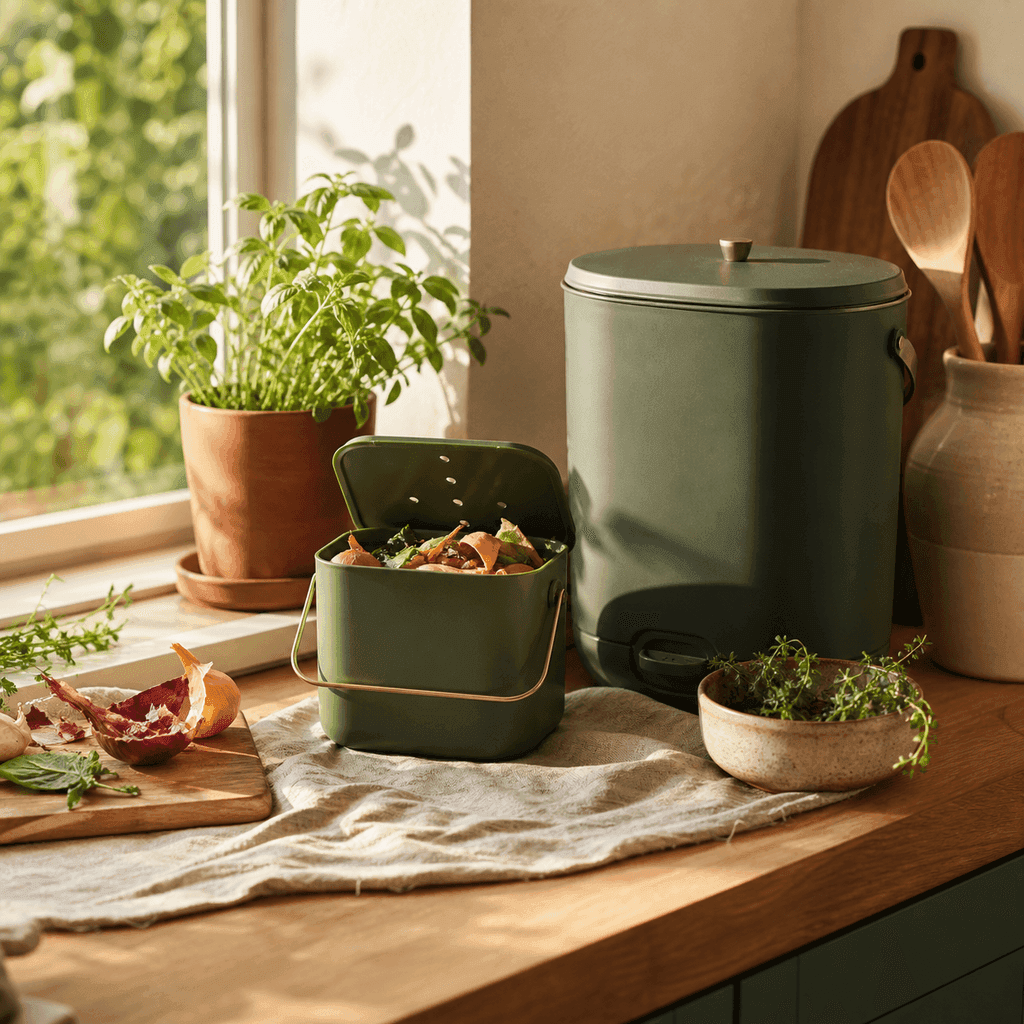
The easiest way to compost tea bags consistently is to keep a small countertop bin right where you brew. When emptying leaves takes ten seconds, you'll actually do it every time.
Over a year, a daily tea drinker can divert several pounds of organic matter from the landfill and turn it into free soil for the garden. That's a small ritual with a genuinely satisfying payoff, and it starts with the cup already in your hand.
Frequently Asked Questions
How can you tell whether a tea bag is compostable or has plastic in it?
Do the tear test on the empty bag. If it pulls apart cleanly into paper fibers it is likely compostable, but if it stretches or leaves behind a thin translucent skeleton, that mesh is plastic and belongs in the trash. Unbleached string-and-staple bags from organic brands are usually the safest bet for a backyard pile.
Do you need to remove the staple and string before composting a tea bag?
Yes, pull the metal staple, string, and paper tag before the bag goes in. Staples will not harm your garden, but they are a nuisance to fish out of finished compost and can rust into the soil. The tag is often coated paper that does not break down well either.
Are PLA or biodegradable tea bags safe for a backyard compost pile?
Not really. PLA and similar bioplastics are labeled biodegradable, but they only break down under the sustained high heat of an industrial composting facility. In a cool home pile they can linger for years, so treat them like trash unless your city runs a commercial composting program.
Are used tea leaves too acidic to add to compost?
Used tea leaves are only mildly acidic and count as a nitrogen-rich green that helps balance carbon-heavy browns. They break down quickly, add moisture and trace minerals, and acid-loving plants like blueberries actually appreciate the slight acidity. In a mixed pile the amount is small enough that it will not throw off your overall balance.
Can you reuse a tea bag before composting it?
Yes. Steep a used bag again in a jar of water for a day or two to make a weak liquid feed for houseplants and seedlings. Once you have poured off that gentle tea, the leaves can still go into the compost, so you get two rounds of value from a single bag.
Sarah Mitchell
Founder & Editor
Writer, home cook, and slightly obsessive gardener sharing small, doable ways to live a little lighter. Sarah started Earth Friendly Blogs at her own kitchen table. More from Sarah →