How to Clean Your Oven Naturally Without Toxic Chemicals
Clean baked-on grease and grime from your oven using baking soda, vinegar, and lemon, no harsh fumes or toxic chemicals required.
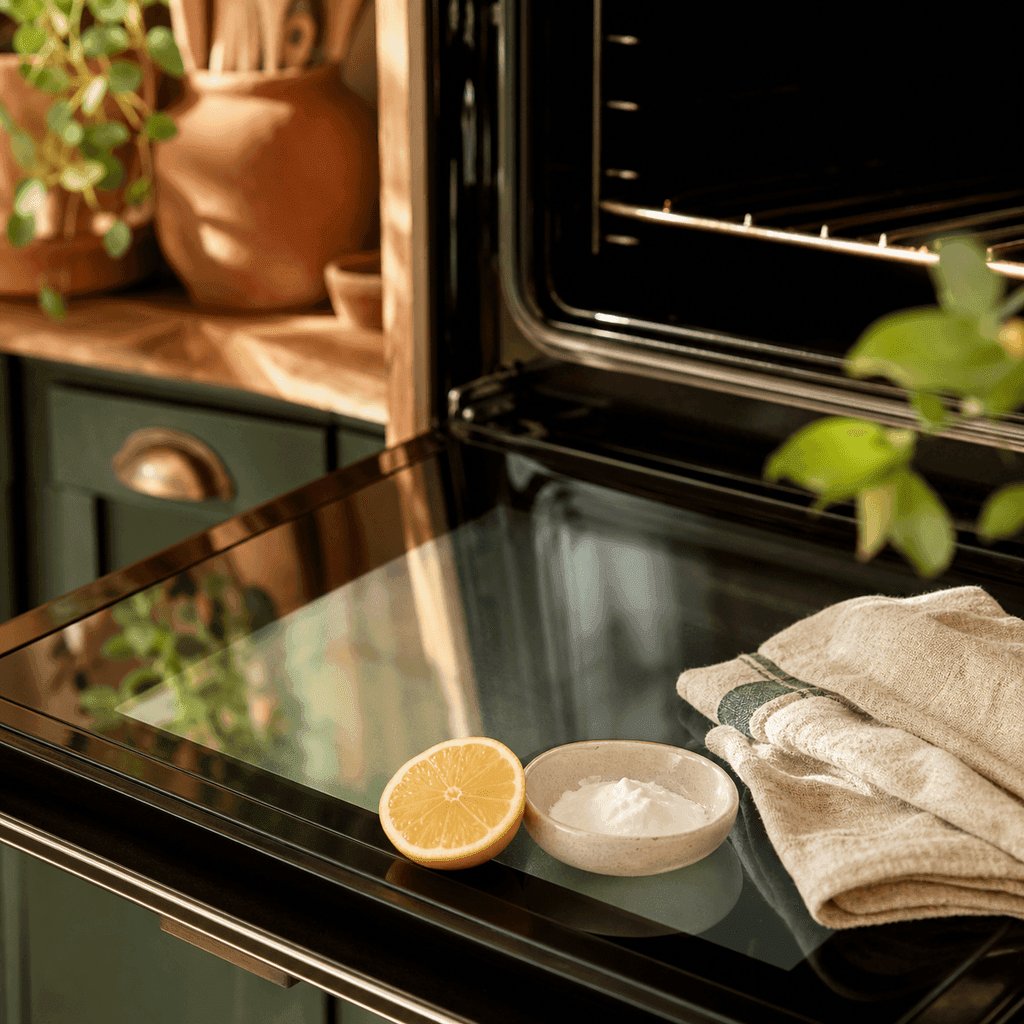
If you have ever cracked open a can of commercial oven cleaner, you know the drill: eye-watering fumes, gloves, open windows, and the uneasy feeling that whatever strips that grease probably should not be near your food. The good news is you can get a genuinely clean oven with three things you likely already own.
Learning how to clean your oven naturally without toxic chemicals comes down to a simple trio: baking soda, white vinegar, and a little time. These pantry staples cut through baked-on grime beautifully, and they leave behind nothing more alarming than a faint lemon scent.
Why Skip the Commercial Oven Cleaners
Conventional oven sprays work fast because they rely on aggressive ingredients, often including sodium hydroxide, also known as lye. That is why the labels warn against skin contact and breathing the fumes. In a small kitchen, those vapors linger, and residue can remain on surfaces that later touch your food.
Natural cleaning trades speed for safety. You'll invest a bit of waiting time, but you avoid harsh caustics, protect your indoor air, and keep questionable chemistry away from the space where you cook. For homes with kids, pets, or anyone sensitive to strong scents, that trade is an easy one to make.
What You'll Need
Gather these before you start so the process flows smoothly:
- Baking soda, about half a cup
- Water, a few tablespoons to make a paste
- White vinegar in a spray bottle
- A lemon, optional but great for stubborn spots
- Rubber gloves, a damp cloth, and an old spatula or plastic scraper
- A small bowl and a sponge
That is the entire arsenal. No respirator, no ventilation panic, no plastic warning labels.
Step-by-Step: The Overnight Baking Soda Method
The core technique relies on letting baking soda do slow, gentle work while you sleep. Make sure your oven is completely cool and empty before you begin.
- Remove the racks. Set them aside to soak separately, more on that below.
- Mix the paste. Stir baking soda with a few tablespoons of water until you get a spreadable, frosting-like consistency.
- Coat the interior. Using gloved hands, spread the paste across the oven floor, walls, and ceiling, avoiding the heating elements and any fan vents. Focus on greasy, browned areas.
- Let it sit. Leave it for at least 8 to 12 hours, or overnight. This dwell time is what breaks down the grease.
- Wipe it out. In the morning, use a damp cloth to remove the dried paste. An old spatula helps lift stubborn chunks without scratching.
- Spray with vinegar. Any leftover baking soda residue will fizz when you mist it with vinegar. This reaction loosens the last bits so you can wipe them clean.
- Final rinse. Go over everything once more with a clean, damp cloth until no residue remains.
Patience is the real secret ingredient here. The baking soda is doing the scrubbing for you overnight, so you barely have to.
Cleaning the Racks and Glass Door
The oven racks often hold the worst buildup, and they respond well to a long soak. Lay them in a bathtub lined with an old towel to protect the enamel, sprinkle generously with baking soda, then pour vinegar over them and add hot water until submerged. Let them soak for a few hours, then scrub with a brush or crumpled foil and rinse.
For the glass door, make a thicker baking soda paste, spread it across the glass, and let it sit for 20 to 30 minutes before wiping in circular motions. The baked-on film usually lifts away without any scraping.
Tackling Tough, Stubborn Spots
Some scorched-on drips need a second pass, and that is completely normal. Reapply baking soda paste directly to the trouble area, let it sit another few hours, and repeat the vinegar spray. For truly crusty carbon deposits, a pumice stone made for cleaning or a gentle plastic scraper can help, but always work with light pressure to avoid scratching the enamel.
Avoid steel wool and abrasive metal pads inside the oven, since they can leave permanent marks. The natural method rewards persistence over force, so a little extra dwell time almost always beats harder scrubbing.
Keeping Your Oven Cleaner for Longer
A few simple habits stretch the time between deep cleans. Place a sheet pan or a layer of foil on the rack below anything likely to bubble over, wipe up spills once the oven cools, and give the interior a quick baking soda wipe every month or so.
Cleaning your oven naturally may take a little longer than a spray-and-wait chemical product, but the payoff is real: a spotless oven, a fresher kitchen, and the quiet confidence that comes from knowing exactly what went into the space where your food gets made.
Olivia Reed
Sustainable Kitchen Writer
Olivia writes about low-waste cooking, plastic-free storage, and getting the most out of every ingredient. She tests every swap in her own small-city kitchen. More from Olivia →