How to Dehydrate Food at Home to Reduce Waste
Learn how to dehydrate fruits, vegetables, and herbs at home to preserve surplus produce, cut food waste, and build a lasting pantry.
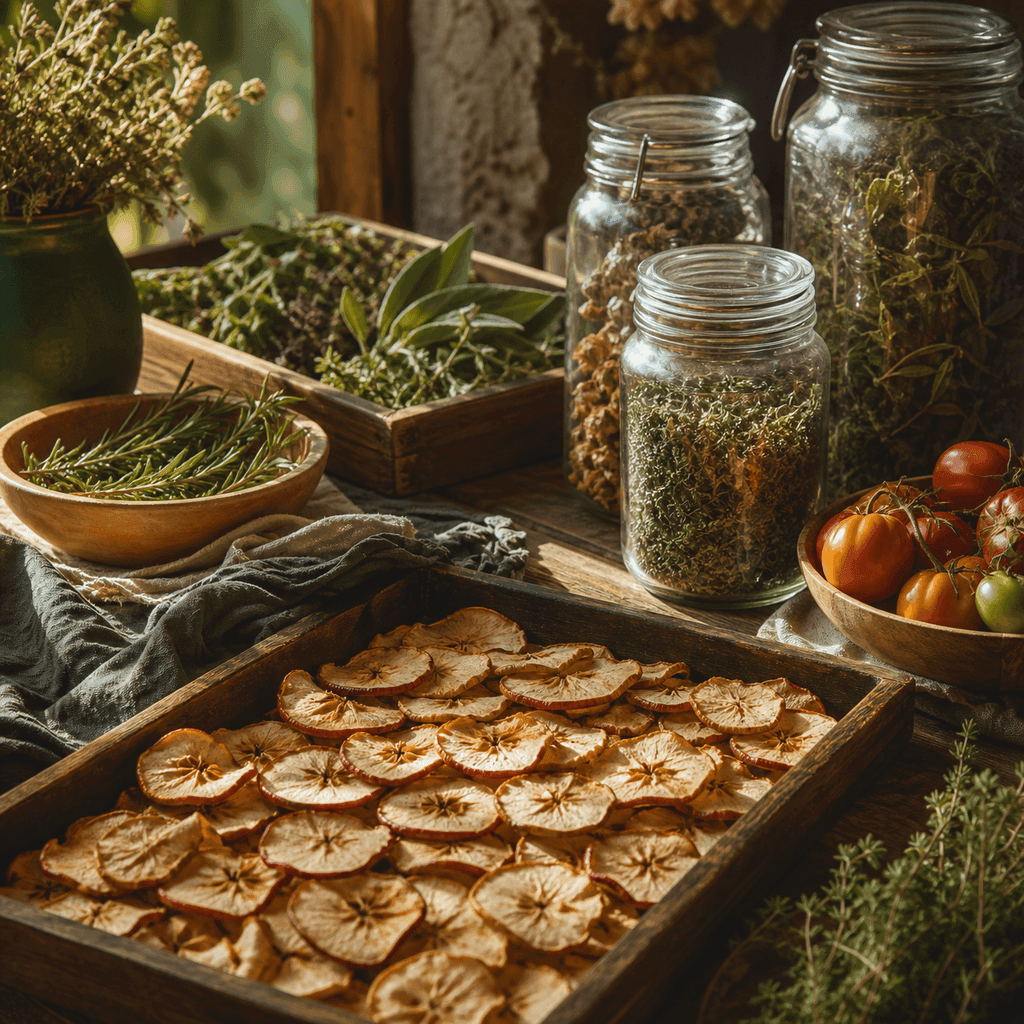
There is a quiet satisfaction in rescuing a bowl of overripe apples or a garden's worth of tomatoes from the compost bin and turning them into something that lasts for months. Dehydrating is one of the oldest food preservation methods on earth, and it remains one of the simplest ways to stop good food from going to waste.
When you learn how to dehydrate food at home to reduce waste, you gain a practical superpower: the ability to catch produce at its peak and lock in its flavor before it spoils. All it takes is removing water, and suddenly that fleeting summer harvest becomes a shelf-stable pantry staple.
Why Dehydrating Cuts Food Waste
Most spoilage happens because moisture lets bacteria, yeast, and mold thrive. Pull that moisture out, down to around 10 to 20 percent for fruits and vegetables, and those spoilage organisms simply cannot survive. That is the whole principle behind dried apples, sun-dried tomatoes, and jerky.
For a household, this means the flat of strawberries you couldn't finish, the herbs bolting in the garden, and the vegetables edging past their prime all get a second life. Instead of tossing them, you preserve them. Dried food also shrinks dramatically, so a huge bag of spinach becomes a small jar, freeing up fridge and freezer space.
- Rescues surplus produce before it spoils
- Shrinks bulky food into compact, shelf-stable storage
- Preserves seasonal flavor for months
- Reduces reliance on packaged, store-bought snacks
Your Drying Options: Equipment Overview
You don't need fancy gear to start, though a dedicated appliance makes things easier and more consistent.
Electric Dehydrator
A countertop dehydrator is the gold standard. It holds a steady low temperature and circulates warm air across stacked trays, drying food evenly with minimal attention. Look for one with an adjustable thermostat and a fan for the best results.
Your Oven
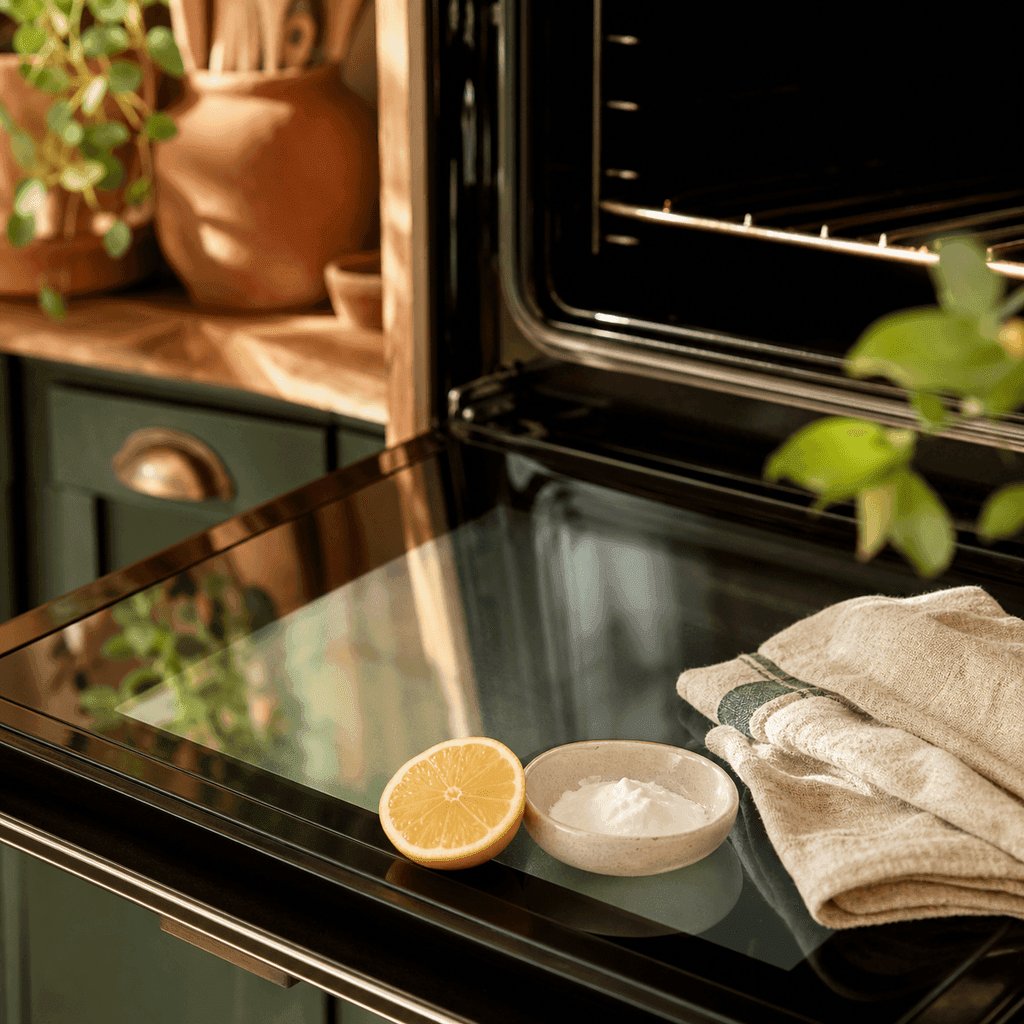
If your oven goes as low as 150 to 170 degrees Fahrenheit, it works well. Arrange food on parchment-lined racks and prop the door open a few inches with a wooden spoon to let moisture escape. It uses more energy than a dehydrator but requires no new purchase.
Air Drying and the Sun
Herbs dry beautifully bundled and hung in a warm, airy spot out of direct sun. True sun drying works for fruits in hot, dry climates but demands consistent heat, low humidity, and protection from insects, so it is less reliable for most home cooks.
Step-by-Step: How to Dehydrate Produce
The process is forgiving, but a few habits make a big difference in quality.
- Choose ripe, unblemished food. Dehydrating concentrates flavor, so start with produce at its best. Trim any bruised spots.
- Wash and slice evenly. Cut everything to a uniform thickness, ideally about a quarter inch. Even slices dry at the same rate, which prevents some pieces from staying dangerously moist.
- Pretreat if needed. Dip apples, pears, and bananas in a mix of one part lemon juice to three parts water to keep them from browning. Blanch dense vegetables like carrots or green beans briefly to preserve color and texture.
- Arrange in a single layer. Give pieces a little space so air can circulate. No overlapping.
- Set the temperature. Use about 135 degrees Fahrenheit for fruits and vegetables and 95 to 115 degrees for herbs.
- Dry until done. Times vary widely, from a few hours for herbs to 12 hours or more for thick fruit. Rotate trays if your machine dries unevenly.
The single most important habit is consistency of thickness. Evenly cut food dries evenly, and evenly dried food stores safely.
Knowing When It's Done
Doneness depends on the food. Fruits should feel leathery and pliable with no visible moisture when you tear a piece open. Vegetables usually dry harder and crisper, sometimes brittle. Herbs are ready when they crumble easily between your fingers. Jerky should bend and crack slightly but not snap in two.
Let everything cool completely before you judge, since warm food feels softer than it really is. If in doubt, dry a little longer, as under-dried food is the main cause of spoilage down the road.
Storing Your Dried Food
Store dried food in airtight containers, glass jars, vacuum-sealed bags, or sturdy lidded tubs, kept in a cool, dark, dry cupboard. Light and heat degrade quality, so skip the sunny windowsill. Label each jar with the contents and date.
Properly dried and stored, most fruits and vegetables keep their quality for six months to a year, and herbs stay flavorful for up to a year. To rehydrate vegetables, soak them in warm water or simmer them straight into soups and stews. Dried fruit is ready to eat as a snack or to fold into oatmeal, granola, and baked goods.
Once you get the hang of it, dehydrating becomes a natural rhythm of the seasons: catch the surplus, dry it down, fill your pantry, and waste a whole lot less along the way.
Sarah Mitchell
Founder & Editor
Writer, home cook, and slightly obsessive gardener sharing small, doable ways to live a little lighter. Sarah started Earth Friendly Blogs at her own kitchen table. More from Sarah →