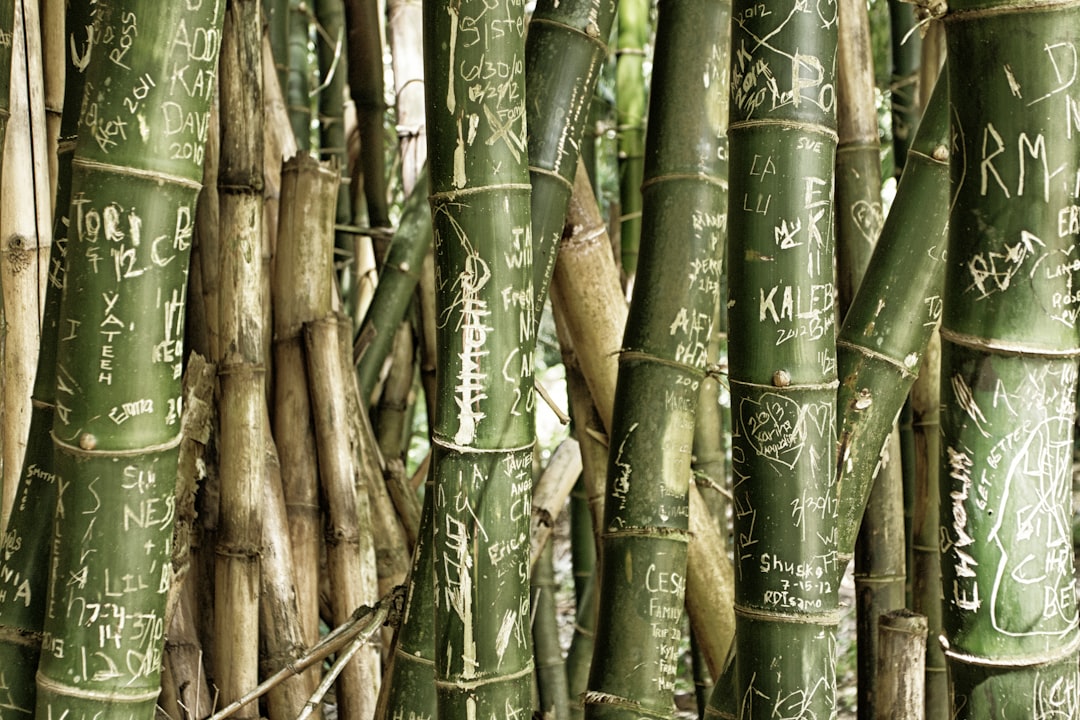
Honestly, if you asked me to pick just one thing in my kitchen that I feel genuinely good about owning, my bamboo steamer would be right up there. Not because it looks cute on the counter (though it does), but because the more I’ve learned about it, the more I appreciate how sound of a choice it actually is — from the way bamboo grows all the way to what happens when it finally wears out.
Sustainable Material From Source
Here’s the thing about bamboo that kind of blew my mind when I first read it — some species grow up to 35 inches in a single day. A day! And once it’s harvested, you don’t have to replant it. The root system just keeps going and sends up new shoots on its own. No pesticides, no synthetic fertilizers needed in most growing conditions. Compare that to stainless steel or plastic, or even a lot of hardwoods, and the carbon footprint of the raw material isn’t even close.
Zero Energy Required to Operate
A bamboo steamer runs on nothing but boiling water. That’s it. No electricity, no degrading non-stick coating that you’ll eventually have to toss and replace, no special cleaning products. The only energy involved is what you’re already using to cook — which, yeah, you were going to boil that water anyway. Over years of use, the operational footprint is about as close to zero as a kitchen tool can get.
Healthier Cooking Method
Steaming holds onto nutrients that boiling just washes away — vitamins leach right out into the cooking water when you boil vegetables, and then most of us dump that water down the drain. Steam keeps more of the good stuff in your food. You also don’t need to add any fat for most things, and nothing your food touches has a synthetic coating or plastic surface. My husband was skeptical about giving up his sauté pan for certain things, but even he admits the vegetables come out tasting fresher. It really is one of the cleanest cooking methods out there.
Long Life With Proper Care
A well-maintained bamboo steamer can last 5 to 10 years, sometimes longer. I’ve had mine for going on six years and it’s still going strong — I just make sure it dries out completely between uses. Non-stick pans, by contrast, usually need replacing every two or three years once the coating starts to go. The longer a kitchen tool holds up, the lower its real environmental cost works out to be per year. Simple math, but it adds up.
Fully Biodegradable at End of Life
This one surprised me when I first thought it through. When your bamboo steamer finally does wear out — and someday it will — you can compost it or let it break down naturally. There’s no plastic to sort, no metal to landfill, no synthetic anything to worry about. The whole lifecycle, from bamboo grove to compost pile, stays pretty clean at every single step. That’s genuinely rare for a kitchen tool.
Final Thoughts
If you’re trying to build a more eco-conscious kitchen and you’re not sure where to start, a bamboo steamer is one of the easiest calls you’ll make. It’s affordable, it lasts, it’s better for the planet from start to finish — and I’ll tell you from personal experience, it makes absolutely excellent dumplings.
Check out our other eco-friendly guides.