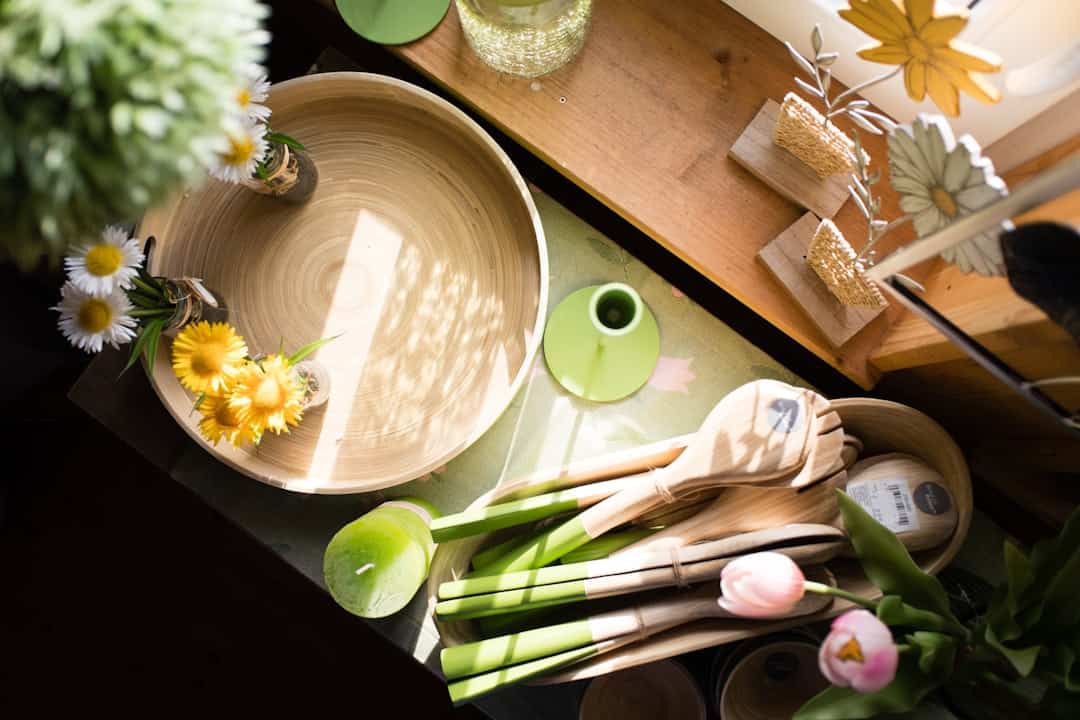
I’ve used both pretty heavily and I have Feelings about this. Short version: bamboo wins on flavor and eco-friendliness, stainless wins if you hate doing dishes and want something that lasts forever. But honestly, it depends on how you actually cook.
Eco Impact: Bamboo Wins Easily
Bamboo grows up to 35 inches a day — which still blows my mind every time I say it — and it doesn’t need replanting after you harvest it. It uses way less water than most crops and biodegrades completely when it’s done. My old bamboo steamer that finally gave out last year? I just composted it. Try doing that with stainless steel. Mining ore and smelting metal takes a serious amount of energy, and that environmental cost doesn’t disappear just because the product lasts a long time. If eco-impact matters to you, this one isn’t even close.
Cooking Results: Bamboo for Texture
Here’s the thing nobody really talks about: bamboo absorbs excess moisture while it cooks. That might sound like a small detail, but it makes a real difference for dumplings, bao buns, anything dough-based, or delicate fish. Stainless is non-porous, so condensation just drips back down onto your food and you end up with soggy bottoms. I noticed this the first time I made char siu bao side-by-side in both — the bamboo ones had that soft, slightly dry wrapper and the stainless ones were wet. For vegetables it honestly doesn’t matter much. But for anything delicate, bamboo just performs better.
Cost Comparison
A solid two-tier bamboo steamer runs somewhere between $12 and $25. Stainless steamers worth buying usually start around $25 and can climb to $60 or more. If you’re new to steaming and just want to try it out without committing much money, bamboo is the obvious starting point. I picked up my first one for $14 and used it for years.
Durability and Maintenance
I’ll be straight with you — stainless is easier to take care of. Dishwasher safe, never molds, basically indestructible. My husband has zero patience for hand-washing things, so he’s always been team stainless. Bamboo needs a little more love: hand wash only, let it dry completely before you put it away, and a light oiling every now and then keeps it in good shape. Do all that and it’ll last 5 to 10 years easy. Skip it and you might see mold in a few months. I learned that the hard way with my second one. So if everything in your house goes straight into the dishwasher, stainless is probably the more realistic choice for your kitchen.
Which One Should You Buy?
If you care about sustainability and you’re cooking a lot of Asian food — dumplings, steamed fish, bao — bamboo is the move. The cooking results are genuinely better for those dishes and the environmental footprint is significantly lower. If your household is busy and low-maintenance matters more than anything else, stainless totally works. And a lot of home cooks, myself included, end up with both eventually. They’re not really competing — they just do slightly different things well.
Final Thoughts
Start with bamboo. It’s cheaper, it’s better for the planet, and your dumplings will thank you. If you catch the steaming bug and find yourself doing it three times a week, you can always grab a stainless one down the road. That’s exactly what happened to me. Have you tried both? I’m genuinely curious whether you noticed the texture difference — drop your take in the comments.
Check out our other eco-friendly guides.