What Can and Can't Go in Your Curbside Recycling Bin
A clear, practical guide to what belongs in curbside recycling and what doesn't, so you stop guessing and keep your bin from being rejected.
Standing over the recycling bin with a greasy pizza box in one hand and a yogurt lid in the other is a familiar moment of doubt. Most of us want to do the right thing; we're just not sure what the right thing is.
The good news is that the core rules of curbside recycling are simpler than the guessing makes them feel. Knowing what can and can't go in your curbside bin keeps your recyclables from being rejected and helps the whole system actually work.
The Reliable Yes List
Some materials are accepted in nearly every American curbside program because they have strong recycling markets and are easy to process. When these are clean, empty, and dry, they belong in the bin.
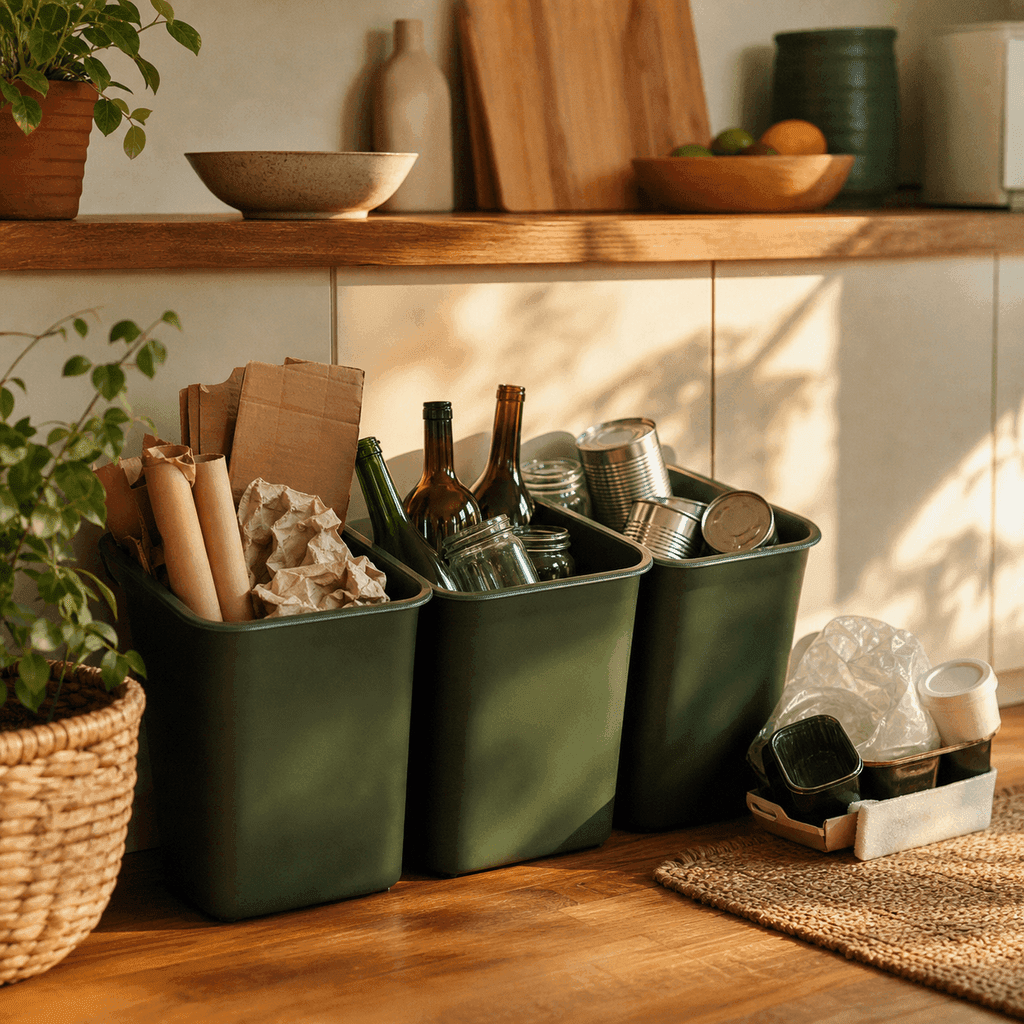
- Paper and cardboard: newspaper, office paper, mail, magazines, flattened cardboard boxes, and paperboard like cereal boxes.
- Metal cans: aluminum beverage cans and steel food cans, rinsed.
- Glass bottles and jars: most colors, with lids removed (check whether your program takes glass, as some don't).
- Plastic bottles and jugs: items marked 1 or 2, such as water bottles, milk jugs, and detergent containers.
The theme across all of these is simple: rigid containers and clean paper. If it's a bottle, can, jar, box, or sheet of paper, you're usually on solid ground.
Empty, clean, and dry is the golden rule. A rinsed can helps the system; a container full of leftovers can ruin an entire batch of recyclables.
The Common No List
Plenty of items look recyclable but jam machinery, contaminate loads, or have no market. These belong in the trash or a special drop-off, not your curbside bin.
- Plastic bags and film: grocery bags, bread bags, and shrink wrap tangle sorting equipment. Take clean film to store drop-off bins instead.
- Food-soiled items: greasy pizza boxes, used paper plates, and dirty containers contaminate paper.
- Foam: polystyrene cups, takeout clamshells, and packing foam are almost never accepted.
- Tanglers: hoses, cords, string lights, and chains wrap around machinery and shut it down.
- Small items: bottle caps, straws, and anything smaller than a credit card falls through the screens.
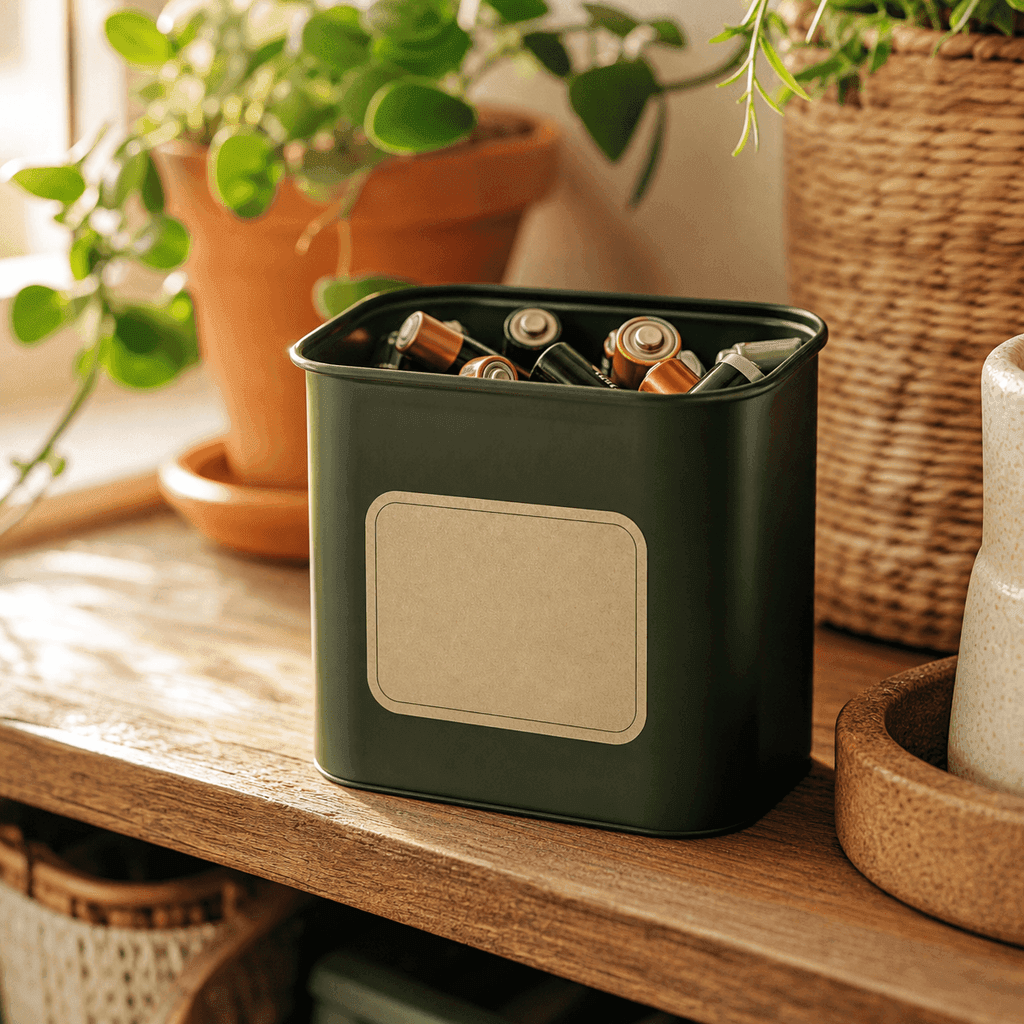
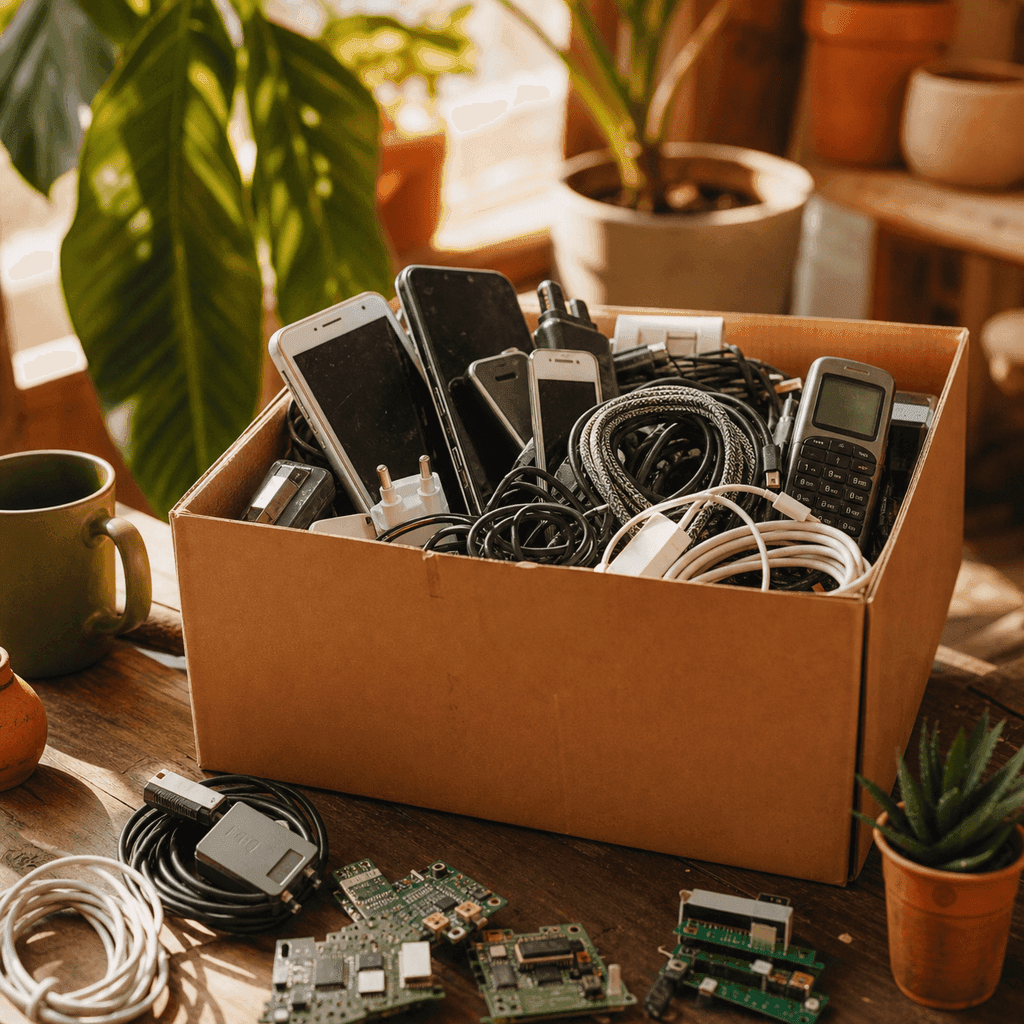
- Hazards: batteries, electronics, needles, and light bulbs need special handling.
The Tricky Middle Ground
A handful of items sit in a gray zone where the answer genuinely depends on your local program. These are worth confirming rather than guessing.
- Pizza boxes: the clean top usually recycles fine; tear off and trash the greasy bottom.
- Cartons: milk and juice cartons are accepted in many but not all areas.
- Yogurt tubs and other number 5 plastics: increasingly accepted, but still program-dependent.
- Shredded paper: often not accepted loose because the pieces are too small; some programs take it bagged.
- Aluminum foil and trays: accepted in some places if cleaned and balled up.
For anything on this list, a quick look at your hauler's guidelines settles it. Rules vary from town to town, and they change as markets shift.
Prep Your Recyclables the Right Way
How you prepare items matters as much as which items you choose. A few simple habits keep your bin clean and your recyclables valuable.
- Empty and rinse containers so no food or liquid remains.
- Keep it loose, never bagged. Sorters need to see and separate items freely.
- Flatten cardboard to save space and prevent jams.
- Leave labels on; they burn off or wash out during processing.
- Dry paper and cardboard, since wet fiber loses its value and can't be recycled.
These steps take seconds and dramatically improve the odds your materials get a second life.
Find Your Local List
Every program is a little different, and the single most useful thing you can do is find your own. Search your city or county name plus "recycling guidelines," or check the sticker often printed right on the bin lid. Many haulers also have a searchable "what goes where" tool where you type an item and get a straight answer.
Recycle With Confidence, Not Guesswork
Once the basics click, that moment of doubt over the bin fades. Stick to clean containers and dry paper, keep out bags, foam, food, and tanglers, and confirm the gray-area items with your local list. Recycling well isn't about doing more; it's about doing it right so the materials you set out actually get recycled.
Sarah Mitchell
Founder & Editor
Writer, home cook, and slightly obsessive gardener sharing small, doable ways to live a little lighter. Sarah started Earth Friendly Blogs at her own kitchen table. More from Sarah →