Recycling Symbols Explained: What Those Numbers Really Mean
Decode the recycling numbers 1 through 7 on plastics, learn which are actually accepted, and stop guessing at your bin with this clear guide.
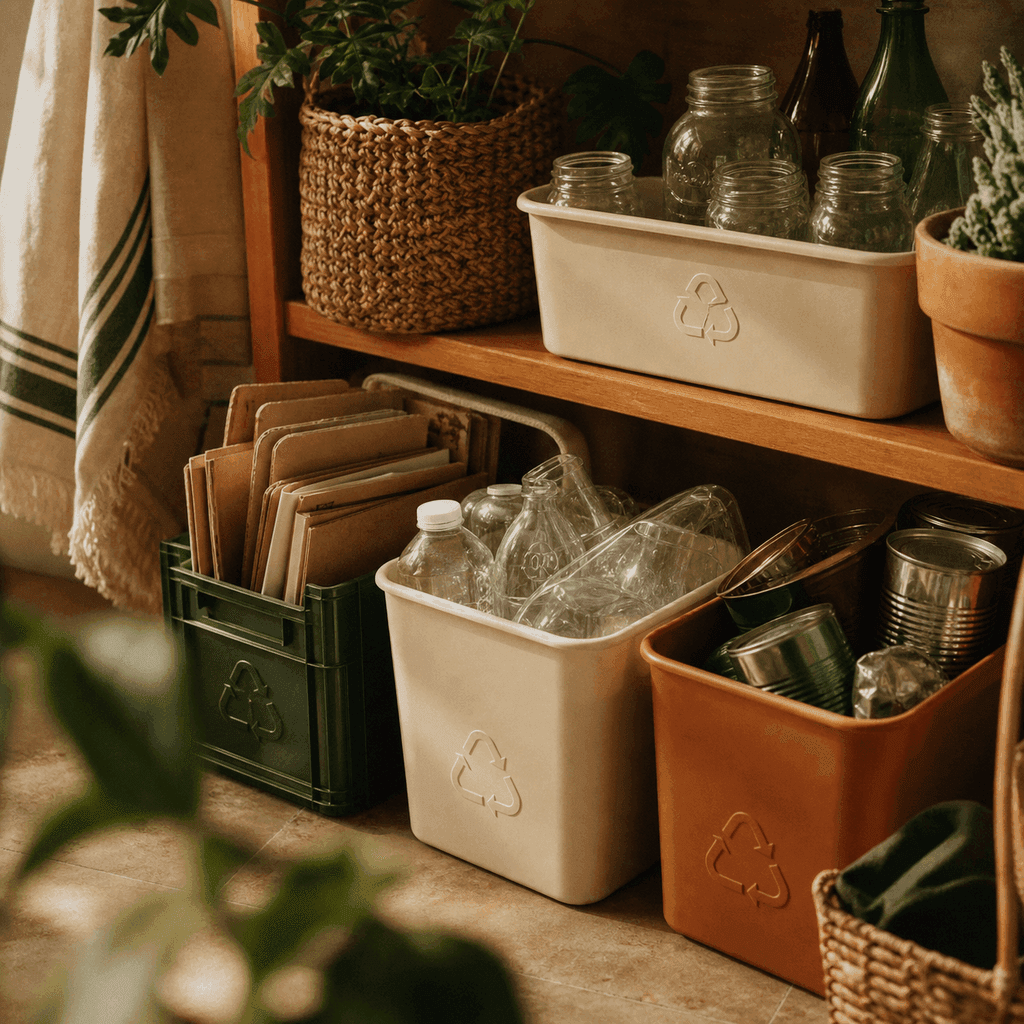
Flip over almost any plastic container and you'll find a little triangle of arrows with a number tucked inside. For years I assumed that symbol meant the item was recyclable. It turns out the truth is a lot more useful, and a little more frustrating, than that.
Those recycling symbols are actually resin identification codes, a numbering system from 1 to 7 that tells you which type of plastic you're holding. Understanding what the numbers really mean helps you sort smarter and avoid the wishful thinking that gums up recycling systems.
The Symbol Isn't a Promise
Here's the piece that surprises most people: the chasing-arrows triangle does not certify that an item is recyclable or that it will be recycled. It was created by the plastics industry in the late 1980s mainly to help sorters identify materials. The number is a category label, nothing more.
Whether a given plastic actually gets recycled depends on three things:
- The type of plastic (that's the number).
- Whether local processors have a buyer for that material.
- Whether your curbside program accepts it.
So a container stamped with a 5 might be technically recyclable in theory, yet still belong in the trash where you live because no one nearby will take it. The symbol starts the conversation; your local program finishes it.
The resin code answers "what is this made of," not "can I recycle this." Confusing the two is why so many bins end up contaminated.
The Seven Codes, Decoded
Each number points to a specific resin with its own uses and recyclability. Here's what they mean in plain terms.
- 1 – PET or PETE: Water and soda bottles, clear food containers. Highly recyclable and accepted almost everywhere.
- 2 – HDPE: Milk jugs, detergent and shampoo bottles. Sturdy, valuable, and widely accepted.
- 3 – PVC: Pipes, some clamshells, cling wraps. Rarely recycled; keep it out of the bin.
- 4 – LDPE: Plastic bags, squeeze bottles, bread bags. Not accepted curbside, though store drop-offs take clean film.
- 5 – PP: Yogurt tubs, margarine containers, bottle caps. Increasingly accepted, but check locally.
- 6 – PS: Polystyrene and foam cups, takeout containers. Almost never recycled.
- 7 – Other: A catch-all for mixed or newer plastics. Generally not recyclable.
Which Numbers Actually Get Recycled
If you remember one thing, make it this: numbers 1 and 2 are the reliable ones. They have strong markets, most facilities are built to process them, and they're accepted in the vast majority of American programs. When in doubt, a clean number 1 or 2 bottle is almost always a safe bet.
Number 5 is the rising star, with more programs accepting yogurt tubs and similar containers than a decade ago. Everything else, the 3s, 4s, 6s, and 7s, faces thin or nonexistent markets. These plastics are technically recyclable in a lab sense, but the economics rarely support it, so they usually head to the landfill regardless of the symbol.
Common Mistakes That Cause Contamination
Good intentions do real damage when the wrong items land in the bin. Sorters call it "wishcycling," and it can send whole loads to the landfill. A few habits to break:
- Bagging recyclables in plastic bags. Loose items are what facilities want; bags jam the machinery. Empty them directly into the bin.
- Tossing greasy or food-caked containers. A quick rinse matters; heavy residue contaminates paper and other materials.
- Assuming all bottle caps and lids belong. Rules differ; some want caps left on, others want them off.
- Recycling small items like caps alone. Loose pieces smaller than a credit card fall through the sorting screens and gum up equipment.
When you're unsure about an item, the responsible move is often the trash. One wrong item is easier to handle than a contaminated bale.
Recycle Smarter, Not Just More
The recycling numbers are a helpful map, but they're not the whole territory. Treat the code as a clue to the material, lean on your local program's accepted list for the final word, and keep your recyclables clean, loose, and dry. Focus your effort on the plastics that genuinely get recycled, numbers 1 and 2 above all, and you'll do more real good than filling the bin with hopeful guesses.
Emily Bennett
Zero-Waste Home Writer
Emily focuses on the low-waste home — refills, natural cleaning, and calm, clutter-free swaps that actually stick. She believes greener living should feel good. More from Emily →