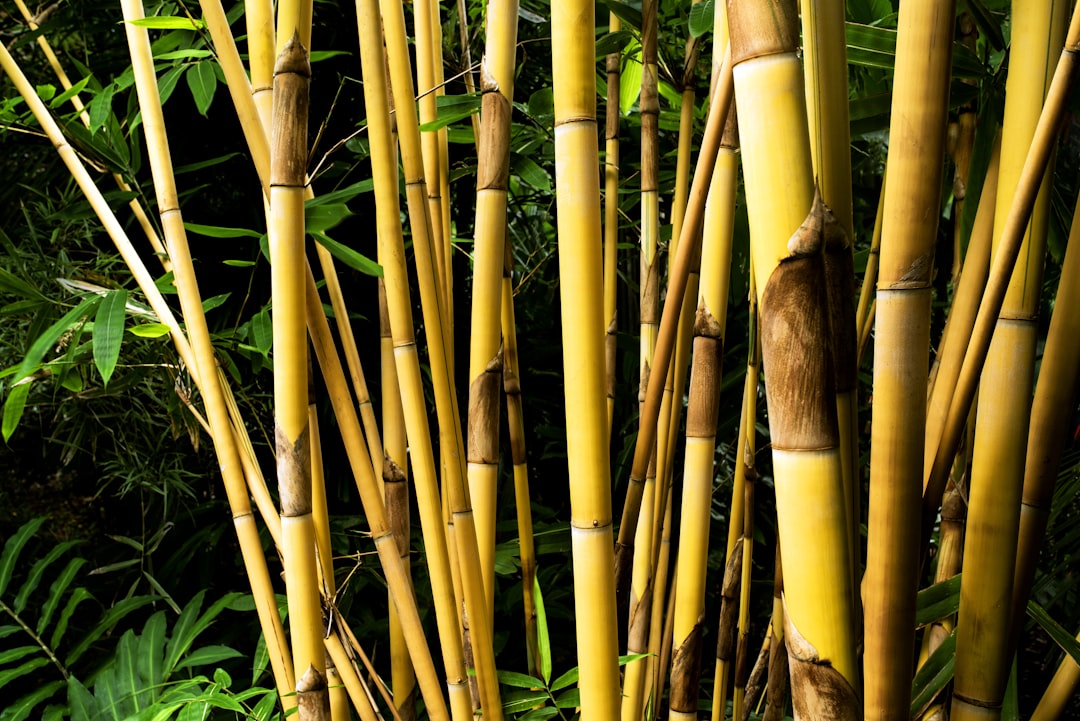
When I started replacing plastic in my kitchen a couple years ago, bamboo was the first place I turned. Honestly? I wasn’t sure it would stick. But two years in, my kitchen looks better, works just as well, and I feel genuinely good about what I’m reaching for every day. Here are my favorites.
Bamboo Cutting Boards
Here’s what surprised me when I first switched: bamboo is actually harder than most traditional wood cutting boards, which means it holds up better over time and doesn’t scar as easily. It’s also naturally resistant to bacteria, which — yes — my husband was skeptical about until I showed him the research. The key thing to look for when you’re shopping is boards bonded with formaldehyde-free glue. Hand wash only, oil it monthly with food-grade mineral oil (like $8 at any grocery store), and a good bamboo board can seriously last you a decade. Mine’s going on three years and still looks beautiful sitting out on the counter.
Bamboo Utensil Sets
I used to have a drawer full of plastic spatulas and spoons, and I never thought much about it — until one melted against my cast iron skillet and I started wondering what else was happening at lower temperatures. Bamboo spatulas, spoons, and tongs don’t melt, won’t scratch non-stick surfaces, and feel really solid in your hand. Most sets run under $20 on Amazon, and with hand washing they just keep going. I’ve had mine for almost two years and they look basically the same as when I bought them.
Bamboo Dish Brushes
This one flew under my radar for way too long. The dish brush is one of those plastic items we just cycle through without thinking — most people toss two or three a year without a second thought. Bamboo dish brushes with natural fiber bristles are fully compostable when they’re done, which is such a satisfying end of life for something you use every single day. Some brands even offer replaceable brush heads, which is a genuinely smart zero-waste design — you’re just swapping the bristles, not the whole handle.
Reusable Bamboo Fiber Cloths
Okay, this swap took me the longest to make because I was really attached to paper towels. But I tried a roll of bamboo fiber cloths last winter and I’m not going back. They work exactly like a paper towel — wipe up spills, clean counters, dry your hands — except you toss them in the wash and use them again. One roll replaces somewhere between 60 and 100 rolls of regular paper towels. They dry fast, they’re soft, and within a few months they’ve paid for themselves. My only regret is not switching sooner.
Bamboo Straws and Travel Cutlery
These are the easiest swaps on the list, honestly. Bamboo straws come with a little cleaning brush, last for months with basic care, and feel way more pleasant to use than metal ones (no weird taste). The travel cutlery sets are something I keep in my work bag — a fork, knife, spoon, and sometimes chopsticks, all tucked into a canvas pouch. No plastic packaging, no fumbling for a plastic fork at lunch. Takes about 30 seconds to rinse off and you’re done.
Final Thoughts
You really don’t have to overhaul everything at once — that’s how swaps like this feel overwhelming and don’t stick. Just start with whatever you replace most often. For me it was paper towels. For my sister it was cutting boards. Pick one thing, get comfortable with it, and then grab the next one when you’re ready. Every plastic item that gets a bamboo replacement in your kitchen is a real, tangible shift — not just a feel-good gesture. I’ve lived with all of these for a while now, and not a single one has let me down.
Check out our other eco-friendly guides.