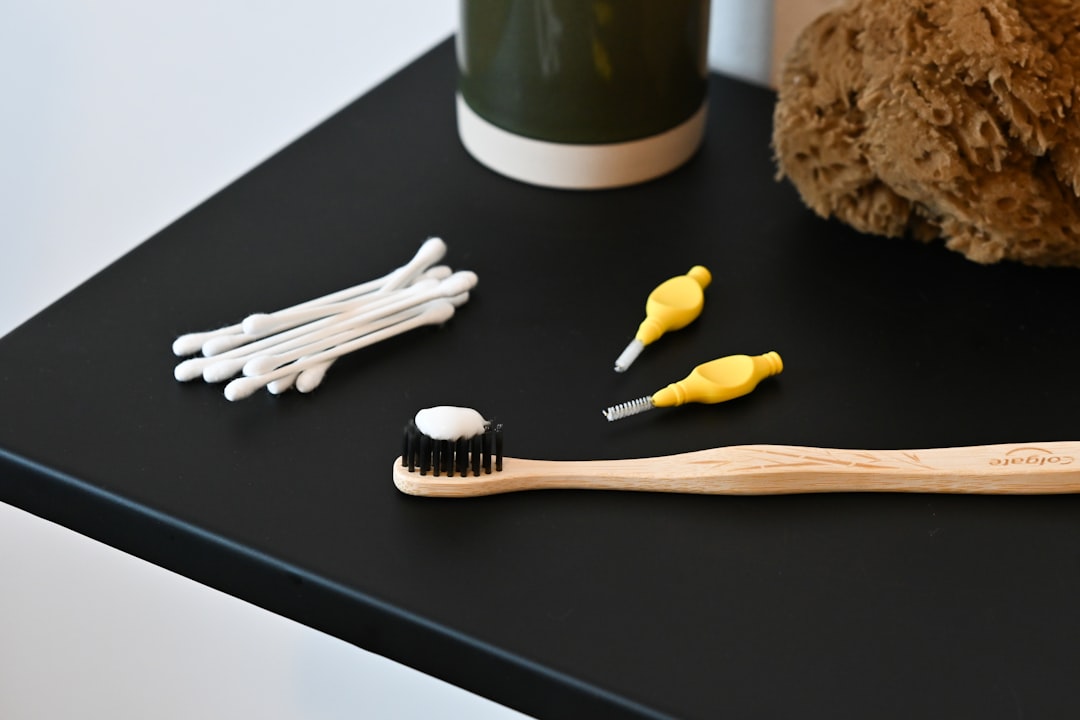
About a billion plastic toothbrushes end up in US landfills every single year. They’re made from mixed plastics that can’t be recycled together, which means they just… sit there. Basically forever. I made the switch to bamboo three years ago, and I’m going to give you my completely honest take — no greenwashing, no exaggerating.
Cleaning Effectiveness: A Tie
Here’s the thing — your teeth don’t know what the handle is made of. Bamboo toothbrushes with soft or medium nylon bristles clean just as well as their plastic counterparts, full stop. What actually does the work is the bristles and how you brush, not whether the handle came from a sugarcane field or a petroleum plant. My dentist had zero comments when I mentioned I’d switched. Literally zero. That’s about as close to a genuine no-sacrifice swap as you’re going to find.
Durability: Both Last Three Months
Dentists say to swap out your toothbrush every three months, right when the bristles start looking rough and splayed. Bamboo toothbrushes hold up for exactly that same window — not longer, not shorter. I was honestly a little curious whether the bamboo would get weird faster, but it didn’t. The real difference isn’t how long they last. It’s what happens when they’re done.
End of Life: Bamboo Wins Clearly
This is where bamboo actually earns it. Pull out the bristles with a pair of pliers (takes about 30 seconds), toss the handle in your compost bin, and it breaks down naturally. A plastic handle goes to the landfill and just stays there. Do the math over a lifetime — four toothbrushes a year for 70 years — and that’s 280 plastic handles per person that never decompose. Multiply that by a few family members and it adds up fast.
Cost: Comparable
A four-pack of bamboo toothbrushes usually runs somewhere between $8 and $15 — I’ve found decent ones for around $10 on Amazon. That’s pretty much on par with what you’d spend on a standard plastic brush. Maybe a dollar or two more in some cases, but honestly? That’s not the kind of difference that should hold anyone back from making the switch.
Care: One Small Difference
Okay, this is the one thing worth paying attention to. Bamboo absorbs moisture, so you want to let it dry out between uses. Store it upright in an open holder where air can actually get around it — not stuffed in a sealed cup or a closed travel case. I learned this the slightly gross way when I left one in a zip-top bag on a camping trip. Mold showed up way faster than it would have on plastic. Just give it airflow and you’re fine.
Final Thoughts
My husband was skeptical when I first brought these home — he kept picking up the bamboo one and going “it just feels weird.” Two weeks in, he stopped noticing. Now we keep a four-pack under the sink and that’s just what we use. Same clean teeth, same routine, and 280 fewer pieces of plastic heading to a landfill over the course of a lifetime. Wait until your current brush is ready to retire, then make the swap. That’s really all there is to it.
Check out our other eco-friendly guides.