Most conventional dish soaps contain synthetic surfactants and fragrances that are quietly toxic to aquatic ecosystems — and we’re rinsing them straight down the drain every single day. Switching to a genuinely eco-friendly dish soap is one of those small daily changes that actually adds up to something real over time.
What Makes Dish Soap Eco-Friendly
Honestly, this is where a lot of “green” products fall apart. Real eco-friendly dish soap uses plant-derived surfactants — not petroleum-based ones — and it biodegrades completely without leaving anything nasty behind in the water supply. No synthetic fragrances, no artificial dyes, packaging that’s either recyclable or refillable. And it shouldn’t be tested on animals. When I first started shopping for this stuff, I had no idea how many “natural” brands were still full of questionable ingredients. That’s why third-party certifications actually matter here — look for the EPA Safer Choice label or EWG Verified. Those aren’t perfect systems, but they’re a whole lot better than trusting a leaf logo on a bottle.
Dish Soap Bars: The Zero Waste Option
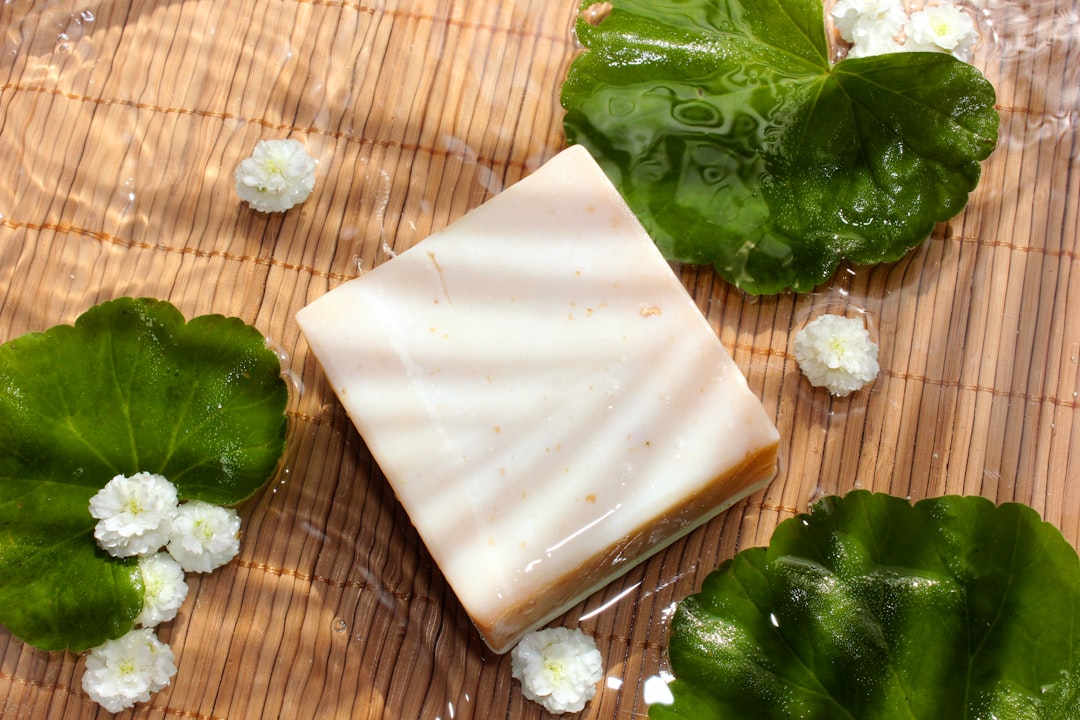
This one surprised me. I was skeptical about dish soap bars for a long time — they just seemed inconvenient. But I tried one last winter and honestly? I’m not going back. They eliminate plastic packaging entirely, and they last way longer than liquid soap because you’re not accidentally squeezing out half the bottle every time. You just rub your sponge or brush directly on the bar. Takes about two seconds. Brands like No Tox Life, Meliora, and Blueland all make solid options, and they’re easy to find online — No Tox Life’s bar runs around $8 and lasts me about two months of daily dishes.
Concentrated Liquid Options
If you’re not ready to give up a liquid soap, concentrated refill systems are the next best thing. The idea is simple — you get a reusable bottle once, then buy small dissolvable tablets that you drop in with water. One little tablet replaces a full bottle of conventional soap. Blueland and Cleancult both do this well. My husband was skeptical until he actually did the dishes with it and couldn’t tell the difference. The cleaning performance holds up, and the cost per wash often comes out lower than what you’d spend on a regular bottle of Dawn.
Castile Soap as Dish Soap
Pure castile soap is probably the most old-school option on this list, and it genuinely works. Dr. Bronner’s is the one most people have heard of — about one to two tablespoons in a sink of hot water does the job. It’s 100% plant-based, the bottle is recyclable, and a single bottle lasts forever because it’s so concentrated. I’ve used it for everything from dishes to wiping down counters. It won’t cut through baked-on grease as aggressively as some other options, so for heavy-duty pans you might need a little extra scrubbing — but for everyday dishes, it’s totally solid.
What to Avoid
Three things to watch for: triclosan, synthetic fragrances, and sodium lauryl sulfate derived from petroleum. Triclosan in particular is rough on aquatic life, and it’s still lurking in some products. The frustrating part is that plenty of brands with “eco” right there in their name still contain problematic ingredients — greenwashing is real and it’s widespread. Before you trust a label, run the product through the EWG database. It takes thirty seconds and it’ll tell you exactly what you’re working with.
Final Thoughts
Dish soap is one of the easiest swaps to start with, and I say that from experience — not just because it sounds good on paper. You go through it fast, so you’re not stuck with a bad purchase for long, and the upfront cost is low. If you want to start somewhere, grab a dish soap bar or pick up a concentrated refill kit. Either way, you’re cutting plastic out of your routine without changing much else about how you do dishes. Small swap, real difference — and that’s the kind of thing that actually sticks.
Check out our other eco-friendly guides.