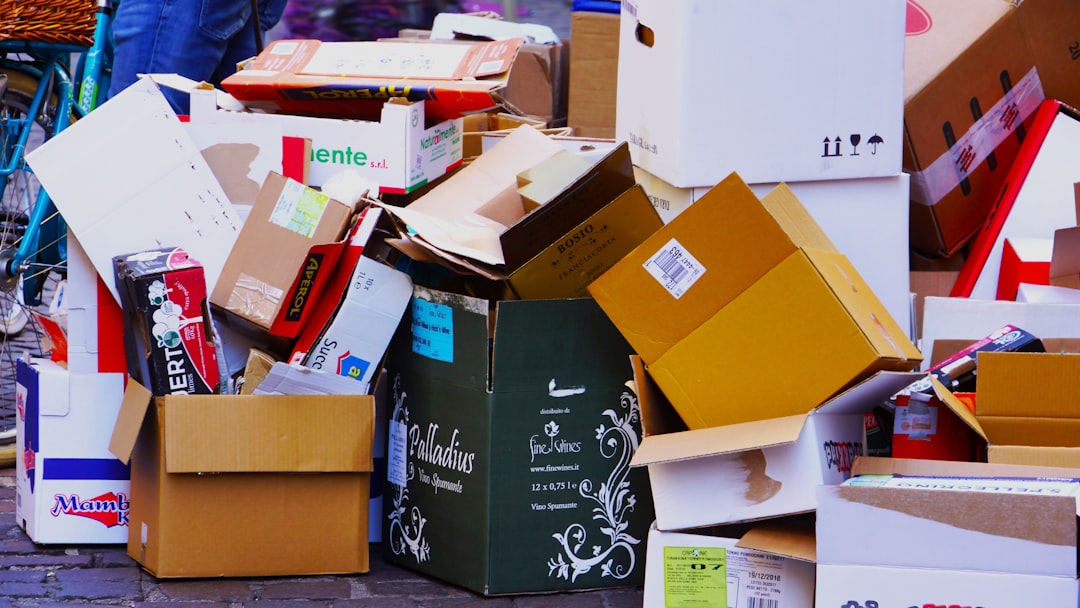
You’ve heard the classic decluttering advice: if you don’t love it or use it, out it goes. The sustainable version just adds one layer on top of that — out it goes responsibly. Honestly, most of the stuff sitting in your closets and garage has a perfectly good second life waiting somewhere. The trick is getting it there instead of just chucking it in the trash.
Donation: First Choice for Working Items
This is always my first stop, and it should be yours too. Thrift stores like Goodwill and Salvation Army take clothing, housewares, books, and a lot of electronics — call ahead if you’re unsure, because locations vary. Habitat for Humanity ReStores are incredible for furniture, tools, and leftover building materials (I dropped off a whole box of cabinet hardware there last spring and felt great about it). And don’t sleep on Buy Nothing groups — search your neighborhood on Facebook or Nextdoor, post a photo, and watch your old stuff disappear within hours. Someone in your zip code genuinely wants that bread maker you haven’t touched since 2019.
Selling: Recoup Value
Some things are just too valuable to donate outright, and that’s okay. Facebook Marketplace is my go-to for furniture and bigger household items — it’s free to list and pickup is usually fast. eBay works well for anything collectible or niche. If you’ve got a closet full of clothes you’re letting go, Poshmark is worth the small effort of photographing things. My husband was skeptical about Poshmark until I made $80 off a pile of old jeans in two weeks. Craigslist still works too, especially for tools or outdoor gear.
Recycling Specialty Items
This one surprised me when I first started paying attention to it. Electronics can’t just go in your curbside bin — they contain materials that are genuinely harmful in a landfill and genuinely valuable if recycled properly. Look for a certified e-waste recycler near you, or check whether the manufacturer has a take-back program (Best Buy does this for a lot of brands). Worn-out textiles that can’t be donated have their own recycling bins — H&M and other retailers often have drop boxes in-store. Batteries, light bulbs, and paint all have specific drop-off pathways too. Earth911.com is a solid resource for finding exactly where to bring this stuff.
Repair Before Replacing
Okay, before anything goes in the donate or sell pile, ask yourself one honest question: could this be fixed? A missing button takes five minutes to sew back on and gives a shirt another few years of life. A wobbly chair leg, a lamp that flickers, a zipper that sticks — a lot of that stuff is actually an easy fix. I actually rewired a lamp last winter using a $9 kit from the hardware store, and it’s still sitting in my living room. If DIY isn’t your thing, look up whether your city has a repair cafe. These are free community spaces where volunteers help you fix things instead of toss them, and they’re popping up in more cities than you’d think.
The Mindset Shift That Prevents Future Clutter
Here’s the part nobody talks about enough. As you’re sorting through everything, pay attention to the patterns. Do you keep finding stacks of impulse-buy kitchen gadgets? Clothes with the tags still on? Five of the same thing because you forgot you already had one? That information is genuinely useful. Let it shape how you shop going forward. Because the most sustainable thing you own is whatever you never brought home unnecessarily in the first place.
Final Thoughts
Sustainable decluttering takes longer than just filling trash bags — I won’t pretend otherwise. But almost nothing ends up wasted, and somewhere along the way you start to really understand your own habits. That’s the part that sticks with you long after the closet is clean.
Check out our other eco-friendly guides.