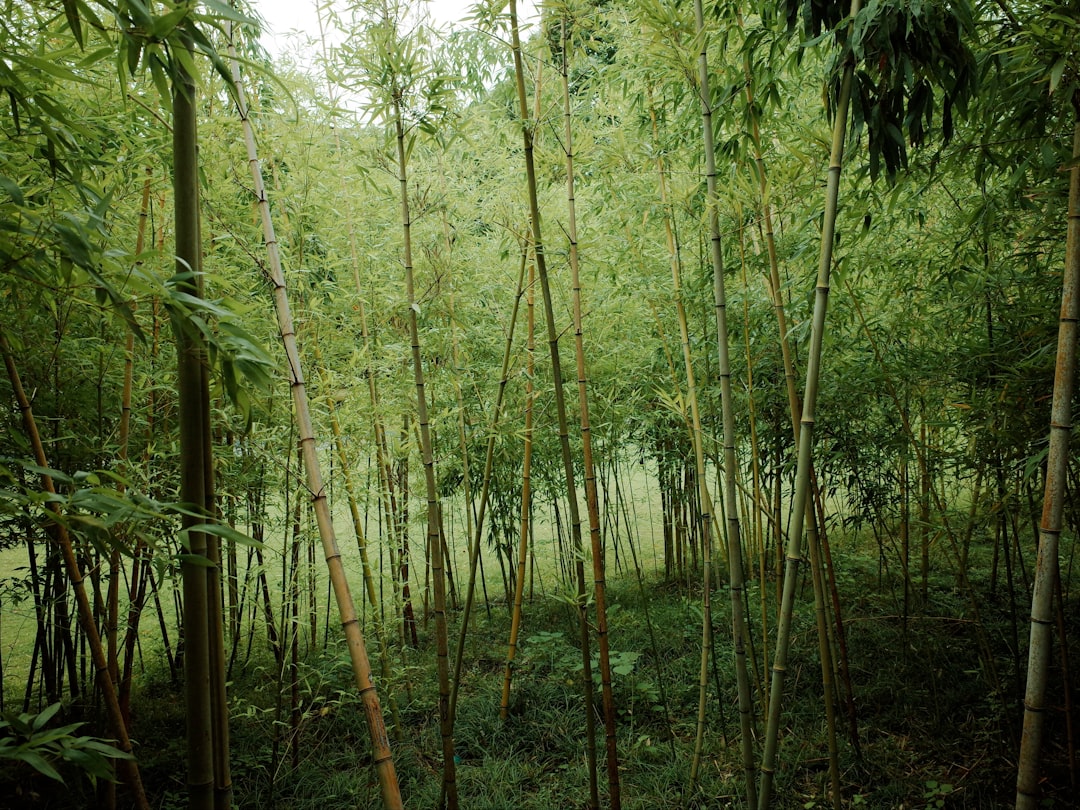
Bamboo might be one of my favorite plants to talk about, because it’s genuinely useful — privacy screening, beautiful structural canes, fast carbon sequestration, free garden stakes every season — but it also has this reputation that scares people off before they even try. Honestly, the reputation is half-deserved and half-misunderstood. Here’s what you actually need to know before you plant.
Clumping vs Running Bamboo: This Distinction Matters
This is the one thing I wish someone had told me before I started researching bamboo for our backyard. Running bamboo spreads through underground rhizomes that can travel several feet per year — sometimes popping up through cracks in pavement, under fences, into your neighbor’s yard. That’s the stuff that earned bamboo its invasive reputation, and it’s real. Clumping bamboo is a completely different story. It expands slowly outward, staying in a tidy clump, and it’s rarely a problem for anyone. For a home garden, always go clumping. If you do want running bamboo for some reason, you’ll need to install a physical rhizome barrier — and even then, stay vigilant.
Best Clumping Bamboo Varieties for Home Gardens
My personal favorite for temperate climates is anything in the Fargesia family — cold-hardy, graceful, and genuinely non-invasive. I’ve seen Fargesia robusta handle a rough Illinois winter without much fuss. If you’re in zone 8 or warmer, Bambusa species are what you want — those are your classic thick-caned types that look amazing as a privacy hedge. Chusquea varieties are worth looking into if you’re on the West Coast; they’re South American in origin and do beautifully in mild Pacific climates. Whatever catches your eye, double-check the hardiness zone before you order. This one surprised me — some varieties that look similar have wildly different cold tolerance.
Growing Requirements
Bamboo isn’t fussy, which is part of why I love it. It wants well-drained soil, consistent water while it’s getting established, and anywhere from full sun to partial shade depending on your variety. Once it’s settled in — usually after the first full growing season — most clumping types get pretty drought-tolerant. I pile a thick layer of wood chip mulch around the base every spring, and that alone seems to make a noticeable difference in how happy the plant looks. A nitrogen-rich fertilizer in early spring will push the most vigorous new cane growth if that’s what you’re after.
Uses for Home-Grown Bamboo
Garden stakes are the obvious starting point — cut canes dry out fast and hold up for a season or two in the garden, easy. But honestly there’s a lot more you can do. Longer canes lashed together make a solid trellis for pole beans or cucumbers. I’ve seen people fashion hollow canes into simple birdfeeders, and the leaves break down nicely as mulch around other plants. Smaller clumping varieties also work surprisingly well in a pot indoors — my neighbor has one in her living room that looks like something from a design magazine.
Container Growing
If you’re nervous about spread at all — even with clumping types — growing in a container is a great solution. A 15 to 25 gallon pot with good drainage holes will support a healthy clumping bamboo for several years, no problem. My husband was skeptical that something so tall could live happily in a container, but it really does work. Just plan to root-prune or divide it every two or three years so it doesn’t get rootbound. And if you’re in a cold climate, you can wheel it into the garage over winter.
Final Thoughts
Bamboo gets a bad rap mostly because people plant the wrong type and then act surprised when it takes over. Choose clumping, match it to your hardiness zone, give it a good first season with regular water, and you’ll have one of the lowest-maintenance, highest-impact plants in your yard. I keep coming back to it because it just does so much — privacy, beauty, usable material, and it sequesters carbon faster than almost anything else you could plant. That’s a pretty good deal for a backyard plant.
Check out our other eco-friendly guides.