The Best Reusable Water Bottles for Sustainable Hydration
The best reusable water bottles for sustainable hydration, compared by material, durability, and the one factor that actually makes a bottle green.
I've owned an embarrassing number of water bottles over the years, most of them shoved in a cabinet, used three times, then forgotten the moment something shinier came along. Here's the thing nobody talks about when hunting for the best reusable water bottles: the most sustainable one isn't the bottle with the prettiest eco branding. It's the one you actually grab every single morning and use until it falls apart.
That reframe matters, because the environmental cost of any bottle is spread across every use. Use it twice and it was a waste. Use it for ten years and it more than pays for itself. With that in mind, here's how the materials actually stack up.
Material Comparison
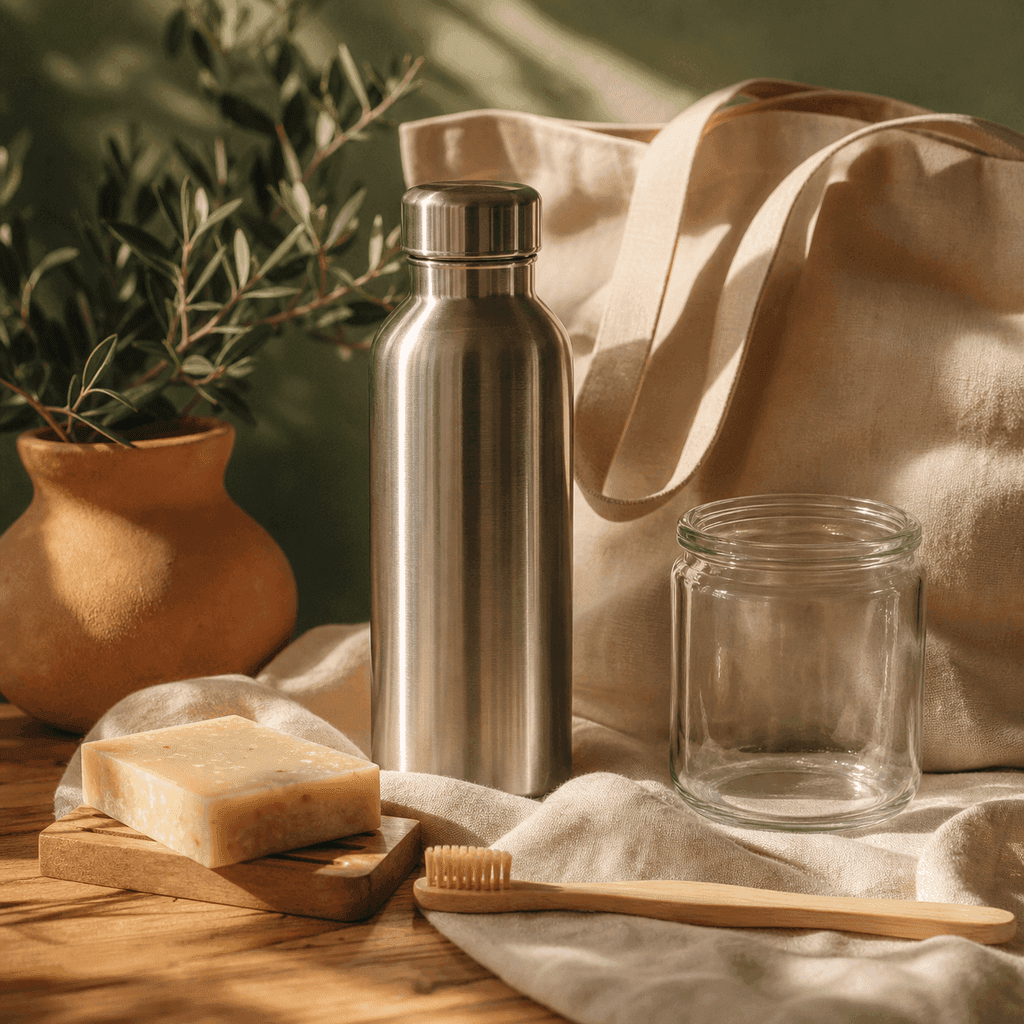
Stainless steel wins, and it's not really close. It's completely inert, nothing leaches into your water even after years of use, and when it finally does reach end of life, it's fully recyclable. A quality steel bottle can genuinely last decades of daily abuse.
Glass is the runner-up and the taste champion. Water tastes exactly like water, with zero flavor carryover, and glass is endlessly recyclable. The catch is obvious, it's heavier and it breaks, though a good silicone sleeve helps a lot.
- Stainless steel: durable, inert, insulated options keep drinks cold for hours.
- Glass: purest taste, fully recyclable, but heavier and breakable.
- BPA-free plastic: lightest and cheapest, but scratches, holds odors, and wears out fastest.
The best bottle material is the one you'll trust enough to carry everywhere. Durability only counts if the bottle actually leaves the cabinet.
Why Stainless Steel Earns the Top Spot
Beyond just lasting, steel solves the problems that make people abandon bottles. It doesn't hold onto yesterday's coffee smell, it doesn't scratch into a cloudy mess, and double-walled versions keep water genuinely cold through a hot afternoon.
That insulation is a quiet sustainability feature, too. When your water stays cold and pleasant, you drink from the bottle instead of caving and buying something disposable. A bottle that keeps you from reaching for single-use plastic is doing its whole job.
What to Look For in Steel
- Food-grade 18/8 stainless steel.
- Double-wall insulation if you want temperature control.
- A wide mouth for easy cleaning and ice.
Features That Actually Matter
Once you've picked a material, a few practical details decide whether a bottle becomes a daily habit or another cabinet orphan. A leakproof lid is non-negotiable, one bag disaster and you'll never trust it again. A mouth wide enough to fit ice and a bottle brush keeps cleaning painless.
Think about how you'll carry it, too. A built-in loop or handle sounds trivial until you're juggling it with everything else. And replaceable parts, lids, gaskets, straws, mean a single worn seal doesn't send the whole bottle to the trash.
The Real Bottom Line
The math on reusable bottles is simple and forgiving. Any well-made bottle, used consistently, saves hundreds of single-use plastics from being produced and tossed each year. The material rankings matter, but they matter less than the habit.
So pick a sturdy stainless steel or glass bottle that fits your life, feels good in your hand, and cleans up easily, then commit to it. Don't chase the next trendy release. The greenest choice you can make is to stop buying bottles altogether, and just wear one out completely. That's sustainable hydration in a nutshell.
Sarah Mitchell
Founder & Editor
Writer, home cook, and slightly obsessive gardener sharing small, doable ways to live a little lighter. Sarah started Earth Friendly Blogs at her own kitchen table. More from Sarah →