Tissues feel like such a small thing, right? But Americans burn through hundreds of billions of them every year — almost all made from virgin tree fiber, wrapped in plastic, used once, and tossed. It adds up fast. The good news is there are better options out there that are genuinely softer, easier on your wallet over time, and a whole lot kinder to the planet. Here’s what I’ve found actually works.
The Problem With Conventional Tissues
Here’s what most of us don’t think about when we grab a box of Kleenex off the shelf: those tissues are usually made from virgin wood pulp, and not just any trees — often old-growth or boreal forest fiber that took decades to grow. Then they get bleached with chlorine compounds, boxed up in cardboard wrapped in plastic, and after about three seconds of use, they’re in the landfill. For something so tiny, the footprint per box genuinely surprised me when I first looked into it.
Bamboo Tissues
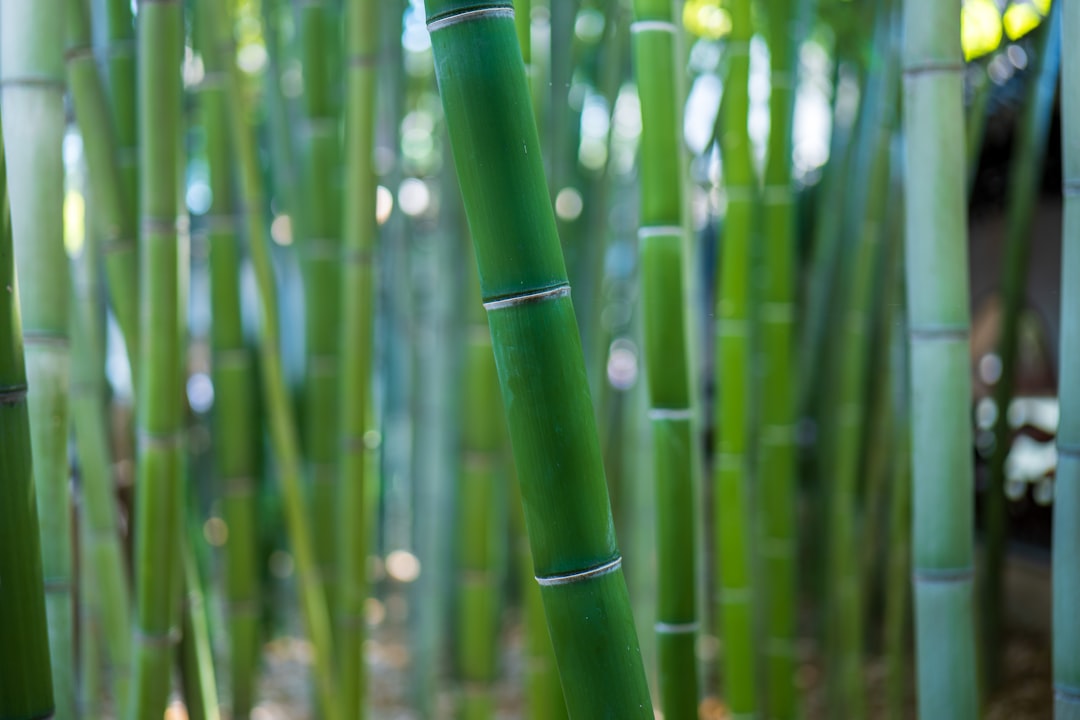
Bamboo grows back so fast it almost feels like cheating. Unlike the slow-growing trees used in conventional tissues, bamboo can be harvested in just a few years, which makes it a much more sustainable source for paper products. Brands like Reel, Who Gives a Crap, and Caboo all make bamboo tissues that are packaged plastic-free and certified sustainable — and honestly, the texture is really comparable to the fancy conventional stuff. My husband was skeptical when I first switched us over, but he hasn’t complained once. They do cost a little more per box, but when you factor in what’s not going into the landfill, it feels worth it.
Recycled Content Tissues
If bamboo isn’t easy to find near you, tissues made from 100% recycled paper content are your next best move. They have a noticeably lower environmental impact than virgin fiber options, and yes, they’re sometimes a touch less silky-soft — but for everyday use, you really won’t miss much. Look for ones labeled chlorine-free bleached (sometimes marked PCF or TCF on the box). This one surprised me because you can actually find these at regular grocery stores now, no specialty shop required.
Cloth Handkerchiefs: The Old-School Zero Waste Option
Okay, I know — when I first heard “cloth handkerchief” I pictured something my grandpa kept in his chest pocket. But I actually tried these a couple winters ago during a brutal cold snap, and I’m not going back. After a few washes, they’re so much softer than any paper tissue I’ve ever used, and a set of twelve cotton or bamboo ones runs around $15–$20 on Amazon. They last for years, there’s zero packaging waste, and you just toss them in with your regular laundry. Honestly? The switch felt a little weird for about a week, and then it felt completely normal.
Bamboo Paper Towels vs Unpaper Towels
This one’s worth mentioning if you’re already thinking about cutting paper waste in the kitchen too. Reusable bamboo “unpaper towels” — they look just like regular paper towel rolls but you wash and reuse them — can replace somewhere between 60 and 100 conventional rolls per roll. If your household goes through two or three rolls of paper towels a week like mine used to, this swap pays for itself pretty quickly and just quietly eliminates a pile of paper waste you stop thinking about.
Final Thoughts
If you want to start somewhere easy, just grab bamboo or recycled tissues next time you’re shopping. Nothing changes about your routine — you’re just making a better box choice. And if you’re feeling up for something that’ll actually stick with you, a set of cloth handkerchiefs is one of those swaps where, a month in, you genuinely can’t remember why paper ever seemed necessary. I’ve been there. It’s a good feeling.
Check out our other eco-friendly guides.