The Best Kitchen Tools for an Eco-Friendly Cooking Routine
The best kitchen tools for an eco-friendly cooking routine, chosen for durability and real usefulness rather than green marketing hype.
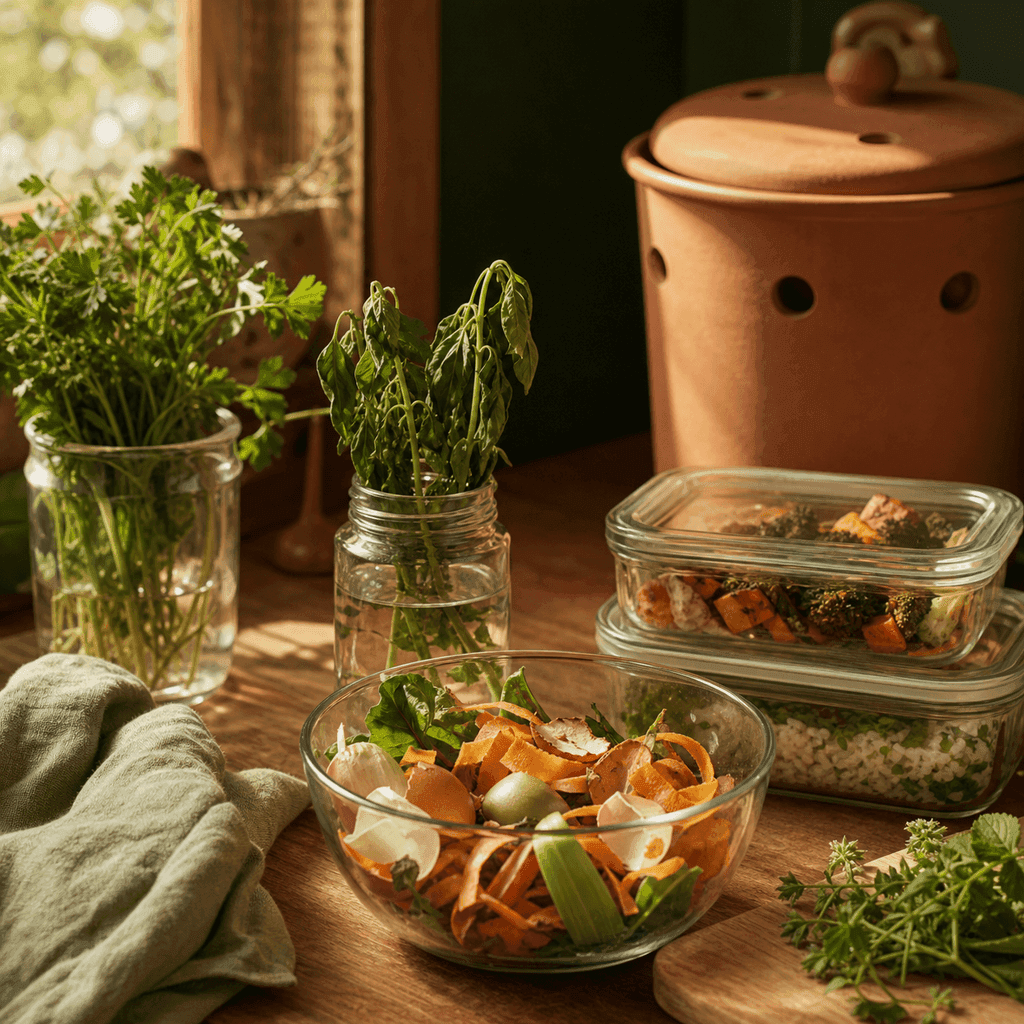
Building an eco-friendly kitchen isn't about tracking down the priciest green gadgets or doing a complete overhaul overnight. It's really just about choosing tools that are built to last, actually work, and aren't made from materials you'd feel weird about.
These are the best kitchen tools for an eco-friendly cooking routine, and I mean genuinely the ones that have earned a permanent spot in my kitchen, not a wish list of things that look good in a photo. Each one replaces something disposable or short-lived, which is the whole point.
A Bamboo Steamer
I've written about this one more than once, and honestly, for good reason. A bamboo steamer is made from one of the fastest-growing, most sustainable crops on the planet.
It uses zero energy beyond a pot of boiling water, has no sketchy nonstick coatings, and with a little basic care it'll last a solid decade or more. It cooks vegetables, dumplings, fish, and rice gently without leaching anything into your food. Rinse it, air-dry it fully, and it just keeps going.
One Good Chef's Knife
A single well-made chef's knife will outwork a whole block of cheap ones. Keep it sharp and it does ninety percent of your cutting.
- Buy carbon or high-quality stainless steel, not a bargain set.
- Hand-wash and dry it, never the dishwasher.
- Learn to hone and sharpen it yourself.
Cared for properly, a good knife is genuinely a lifetime tool, and it can be handed down. That's about as low-waste as a purchase gets.
Cast Iron or Carbon Steel
Nonstick pans scratch, off-gas, and end up in the landfill within a few years. Cast iron and carbon steel build their own natural nonstick surface from seasoning, contain no synthetic coatings, and can outlive you.
If one ever rusts, you scrub it back and re-season instead of tossing it. Repairability is the quiet superpower of these pans.
The greenest tool in your kitchen is almost always the one you never have to replace.
Glass and Stainless Storage
Ditch the disposable plastic churn. Glass jars and stainless containers don't stain, don't hold onto smells, don't leach, and last essentially forever.
Repurposed pasta sauce and pickle jars work beautifully for pantry staples, leftovers, and freezing stock. You already own most of these, which makes them the cheapest upgrade on this list.
Beeswax Wraps
A reusable stand-in for plastic wrap. A gentle wash in cool water keeps them going for about a year, and when they finally wear out they're compostable. Great for covering bowls, wrapping cheese, or folding around half an avocado.
A Few Small Extras Worth It
Rounding out the kit, a handful of inexpensive tools punch above their weight:
- A wooden spoon and spatula that won't scratch pans or melt.
- A fine mesh strainer for saving stock and rinsing grains.
- Reusable produce and bulk bags for shopping without the plastic.
None of this needs to happen at once. Replace things as they wear out, choosing the durable version each time. Within a year or two your kitchen quietly becomes one that generates almost no waste, not because you bought a lot of green gadgets, but because you stopped buying the disposable ones. That's a routine worth building toward.
Olivia Reed
Sustainable Kitchen Writer
Olivia writes about low-waste cooking, plastic-free storage, and getting the most out of every ingredient. She tests every swap in her own small-city kitchen. More from Olivia →