How to Care for a Bamboo Cutting Board So It Lasts 10 Years
Simple care habits to keep a bamboo cutting board from warping or cracking, so this buy-it-once kitchen tool lasts a decade or more.
A good bamboo cutting board is one of those kitchen things you buy once and want to keep forever. It's harder than most woods, naturally resistant to bacteria, and honestly just nice to look at sitting on your counter.
But I've watched perfectly good boards warp and crack within a single year, and almost every time it came down to how they were cared for. The encouraging part is that learning how to care for a bamboo cutting board is genuinely simple once someone actually explains the rules. Follow them and a decade of daily use is completely realistic.
The Dishwasher Rule
Just don't do it. I know it's tempting to throw everything in and walk away, but the dishwasher is the fastest way to ruin bamboo.
The problem is a combination of forces working at once:
- Prolonged heat dries and stresses the fibers.
- Standing moisture swells the bamboo unevenly.
- Harsh alkaline detergent breaks down the glue between the laminated strips.
Together they make a board warp, split along the grain, and delaminate into layers. Once that starts, there's no coming back. Hand-washing is non-negotiable.
How to Wash It Right
Cleaning bamboo takes under a minute. Wipe off scraps, then wash with warm water and a little dish soap using a sponge or brush. Rinse quickly, don't let it soak.
The drying step is the one people skip. Stand the board on its edge or lean it against the backsplash so air reaches both faces. A board left lying flat on the counter dries unevenly on one side, and uneven drying is exactly what causes warping.
Bamboo doesn't fear water. It fears water that lingers. Wash fast, dry faster.
Oil It Once a Month
This is the habit that separates a five-year board from a fifteen-year one. Bamboo naturally loses moisture over time, and dry bamboo cracks.
Once a month, or whenever the surface looks pale and dry, rub in a generous coat of food-grade mineral oil with a cloth. Let it soak in for a few hours or overnight, then wipe away any excess. The oil replaces lost moisture, blocks water and odors from penetrating, and keeps the board flexible enough to resist cracking.
Never use vegetable, olive, or other cooking oils. They go rancid and leave your board smelling sour. Mineral oil or a beeswax-and-mineral-oil board cream is what you want.
Sanitizing Without Chemicals
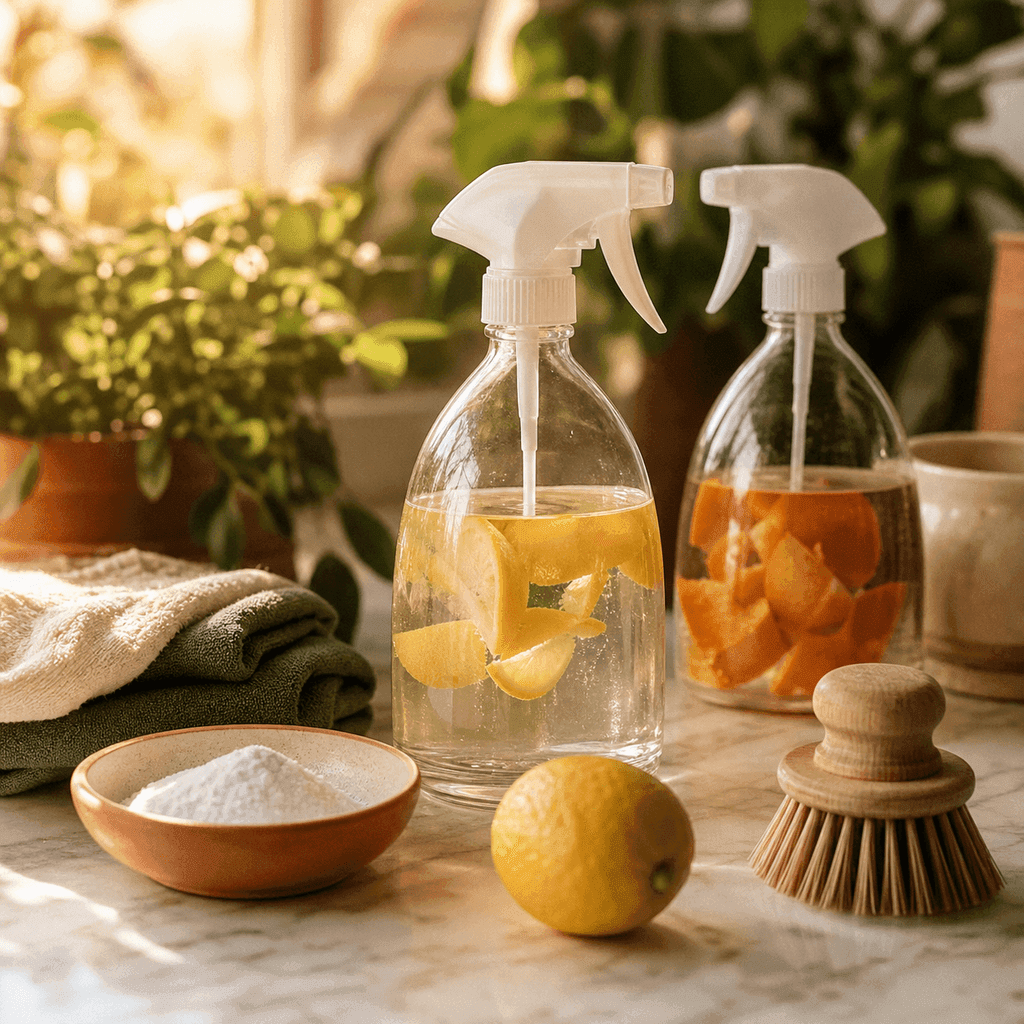
Bamboo is already naturally antibacterial, but if you've cut raw meat, give it extra attention. Wipe the surface with a cloth dampened in a diluted vinegar solution, or sprinkle coarse salt and scrub with half a lemon. Both clean and deodorize without the harsh disinfectants that dry the fibers out.
Small Habits That Add Years
A few everyday choices quietly extend a board's life:
- Keep it away from direct sun and off hot stovetops, since heat dries bamboo out fast.
- Use both sides so wear spreads evenly instead of hollowing one face.
- Don't leave it sitting in a puddle by the sink.
That's the whole system. Skip the dishwasher, dry it standing up, and oil it monthly. Do those three things and your bamboo cutting board easily lasts ten years, which is exactly the point of buying a durable tool in the first place. One board, a decade of dinners, and nothing headed for the landfill.
Olivia Reed
Sustainable Kitchen Writer
Olivia writes about low-waste cooking, plastic-free storage, and getting the most out of every ingredient. She tests every swap in her own small-city kitchen. More from Olivia →