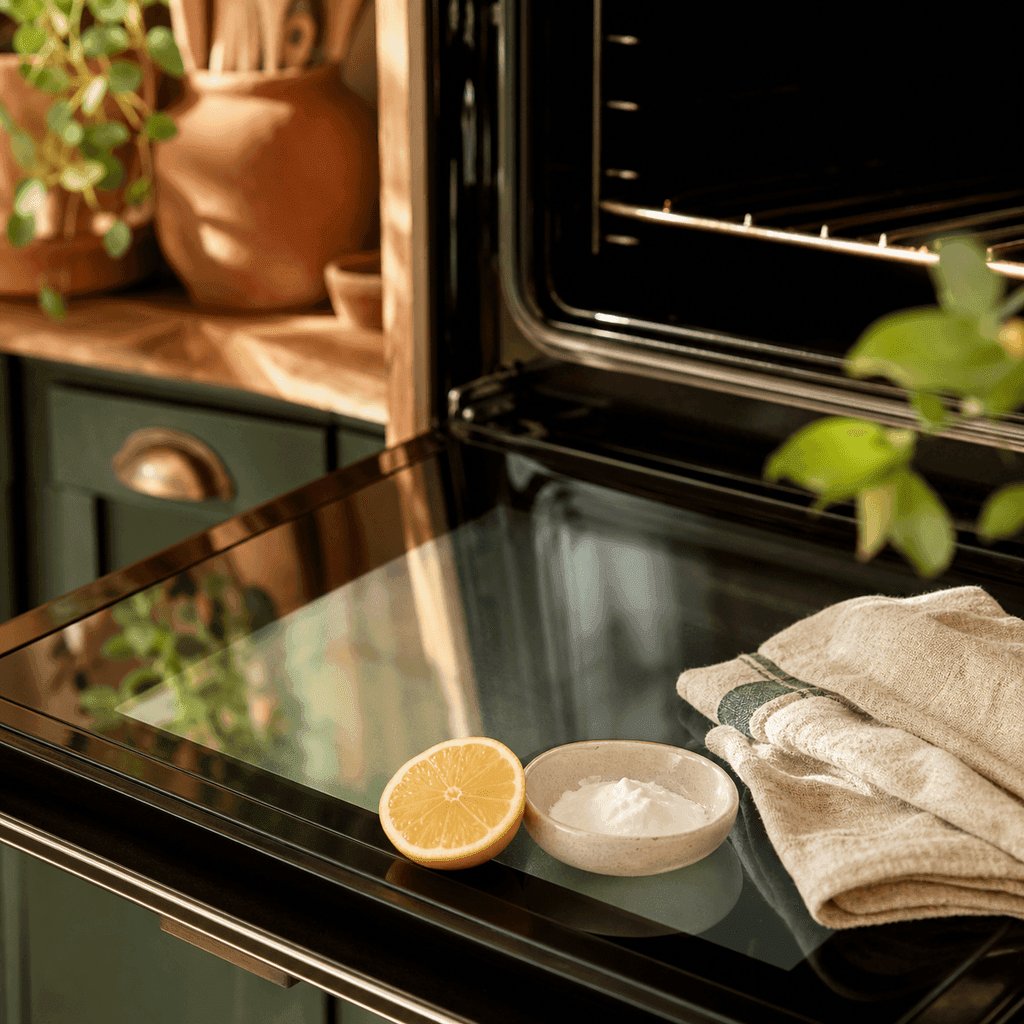
Sustainable Spring Cleaning: How to Deep Clean Your Home Naturally
Learn how to deep clean your home naturally this spring using four simple ingredients, room by room, with no harsh fumes or plastic waste.
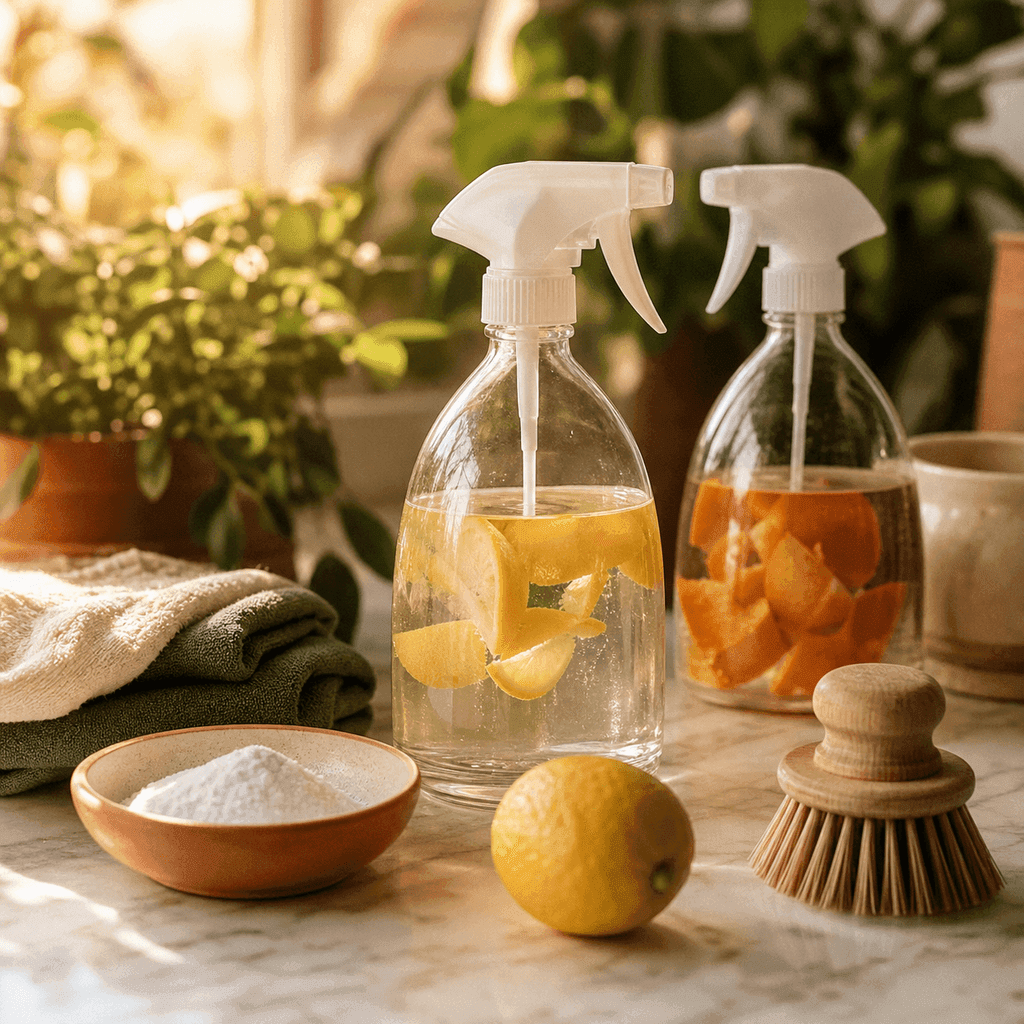
Spring cleaning is one of those rare moments when you get to hit reset on your whole house at once. This year, instead of reaching for the same plastic bottles under the sink, I want to show you how to deep clean your home naturally, room by room.
The best part is how little you actually need. A genuinely deep, natural clean comes down to four humble ingredients that most people already have in the pantry. No fumes lingering in the air, no growing pile of empty plastic in the recycling bin, and honestly, no compromise on how clean things get.
Your Natural Cleaning Arsenal
Here is the short list, and it really is short:
- White vinegar for cutting grease, dissolving mineral buildup, and deodorizing.
- Baking soda as a gentle abrasive scrub and odor absorber.
- Liquid castile soap for anything that needs real lifting power, like floors and grimy stovetops.
- A couple of essential oils (optional) such as lemon or tea tree, for scent and a mild antibacterial boost.
Round that out with a few microfiber or cotton cloths and two or three spray bottles. Starting from scratch, the whole kit costs under twenty dollars, and it lasts for months.
The goal is not to buy a new "green" version of everything. It is to realize you never needed most of it in the first place.
Kitchen: Start Where It Counts
The kitchen collects the most grease and grime, so it rewards the most attention. Mix equal parts vinegar and water in a spray bottle for counters, the outside of appliances, and the inside of the fridge.
For the sink and stovetop, sprinkle baking soda directly, add a small squeeze of castile soap, and scrub with a damp cloth. It lifts cooked-on splatters without scratching. To freshen the garbage disposal, drop in a handful of baking soda followed by a splash of vinegar and let it fizz for a minute.
The Microwave Trick
Fill a bowl with water and a few tablespoons of vinegar, microwave it for three minutes, then let it sit for two more. The steam loosens everything, and stuck-on food wipes away with a single pass.
Bathroom: Tackle Grime and Hard Water
Bathrooms are where vinegar really shines, because most of the buildup here is mineral deposits and soap scum. Spray straight vinegar on faucets, glass doors, and around the drain, let it sit for ten minutes, then wipe.
For the toilet, pour in a cup of vinegar, sprinkle baking soda around the bowl, and scrub. Tile grout responds beautifully to a thick baking soda paste worked in with an old toothbrush. Skip vinegar on natural stone like marble, though, since the acid can etch the surface.
Floors, Glass, and Everything Else
For sealed hardwood, laminate, or tile floors, add a tablespoon of castile soap to a bucket of warm water. Wring your mop out well, because too much water is the enemy of wood. Windows and mirrors come clean with the same vinegar-water spray and a dry cloth, no streaks and no blue chemical film.
Work through the house in a logical order so you never redo a spot:
- Start high with ceiling fans and shelves, so dust falls onto surfaces you clean later.
- Move top to bottom in each room, finishing with the floor.
- Save the kitchen and bathrooms for last, since they need the most scrubbing.
Making It a Habit, Not an Event
The real payoff of cleaning naturally is that it stops feeling like a once-a-year ordeal. When your supplies are cheap, refillable, and safe to breathe around, a quick wipe-down becomes something you do without dread.
Keep your spray bottles labeled and topped off, buy vinegar and baking soda in bulk, and refill the castile soap when it runs low. That is the whole system. Your home ends up just as clean, your air stays clear, and the space under your sink finally has room to breathe.
Olivia Reed
Sustainable Kitchen Writer
Olivia writes about low-waste cooking, plastic-free storage, and getting the most out of every ingredient. She tests every swap in her own small-city kitchen. More from Olivia →