Refill Stores 101: How to Shop Package-Free
A friendly beginner's guide to refill and bulk stores, from bringing your own jars to tare weights, so you can shop package-free with confidence.
The first time I walked into a refill store, I stood in the doorway clutching my empty jars like I'd forgotten how to grocery shop. Ten minutes later I was scooping oats and pumping olive oil like a regular. Package-free shopping looks intimidating from the outside, but the whole system is designed to be simple once someone explains the two or three things nobody tells you.
So let's demystify the refill store, from what to bring to how the weighing actually works.
What a Refill Store Actually Is
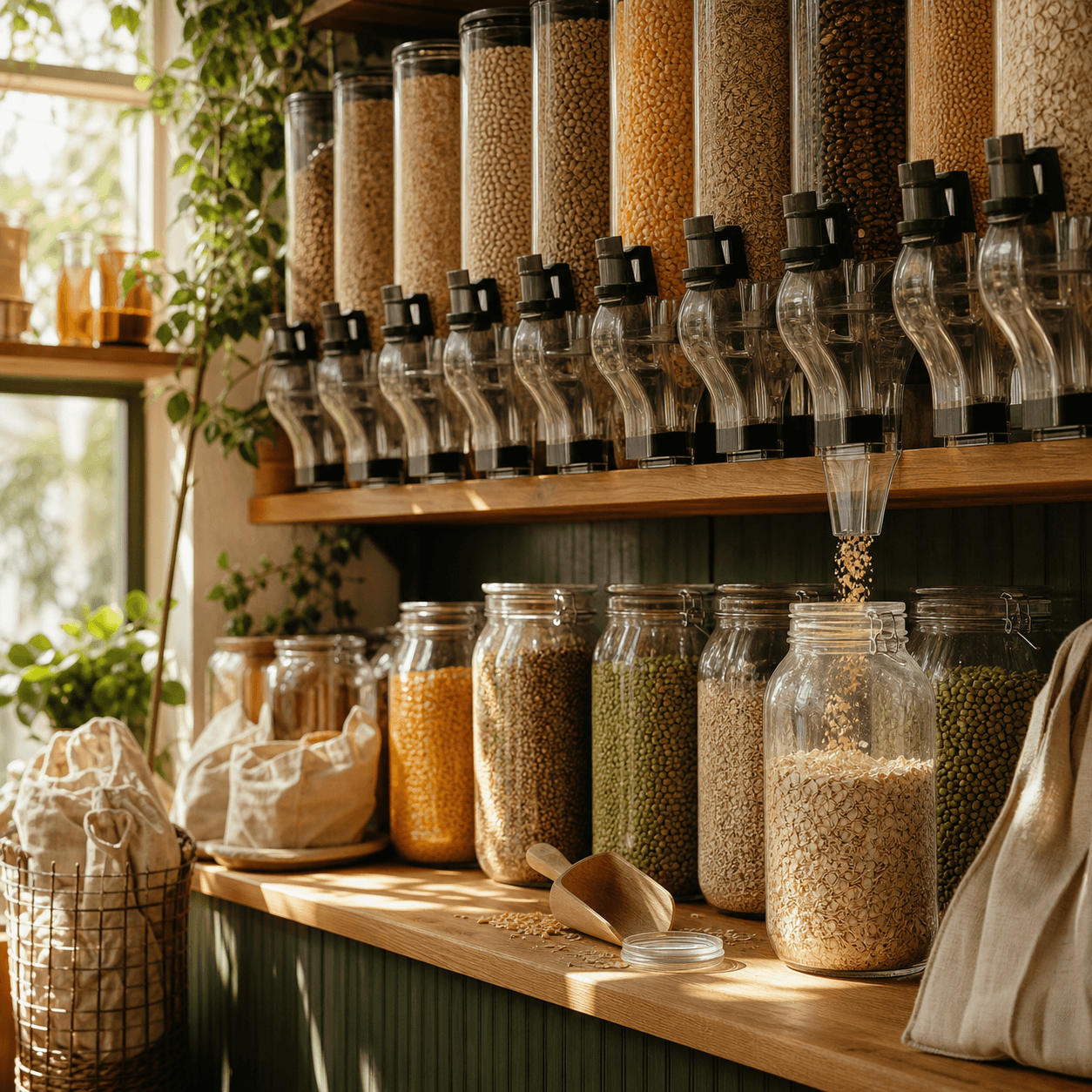
A refill or bulk store sells food and household goods loose, from gravity bins, scoops, and liquid dispensers, instead of in individual packages. You bring your own containers, fill them with exactly the amount you want, and pay by weight or volume. Nothing goes home in single-use plastic.
The range is wider than most people expect. Beyond the classic dry goods, many stores let you refill:
- Pantry staples: rice, beans, flour, oats, pasta, nuts, dried fruit, coffee
- Liquids: olive oil, vinegar, maple syrup, honey, soy sauce
- Cleaning: dish soap, laundry detergent, all-purpose cleaner
- Personal care: shampoo, conditioner, hand soap, lotion
Some are dedicated zero-waste shops; others are bulk sections tucked inside a co-op or natural grocer. Either way the mechanics are the same.
Bring the Right Containers
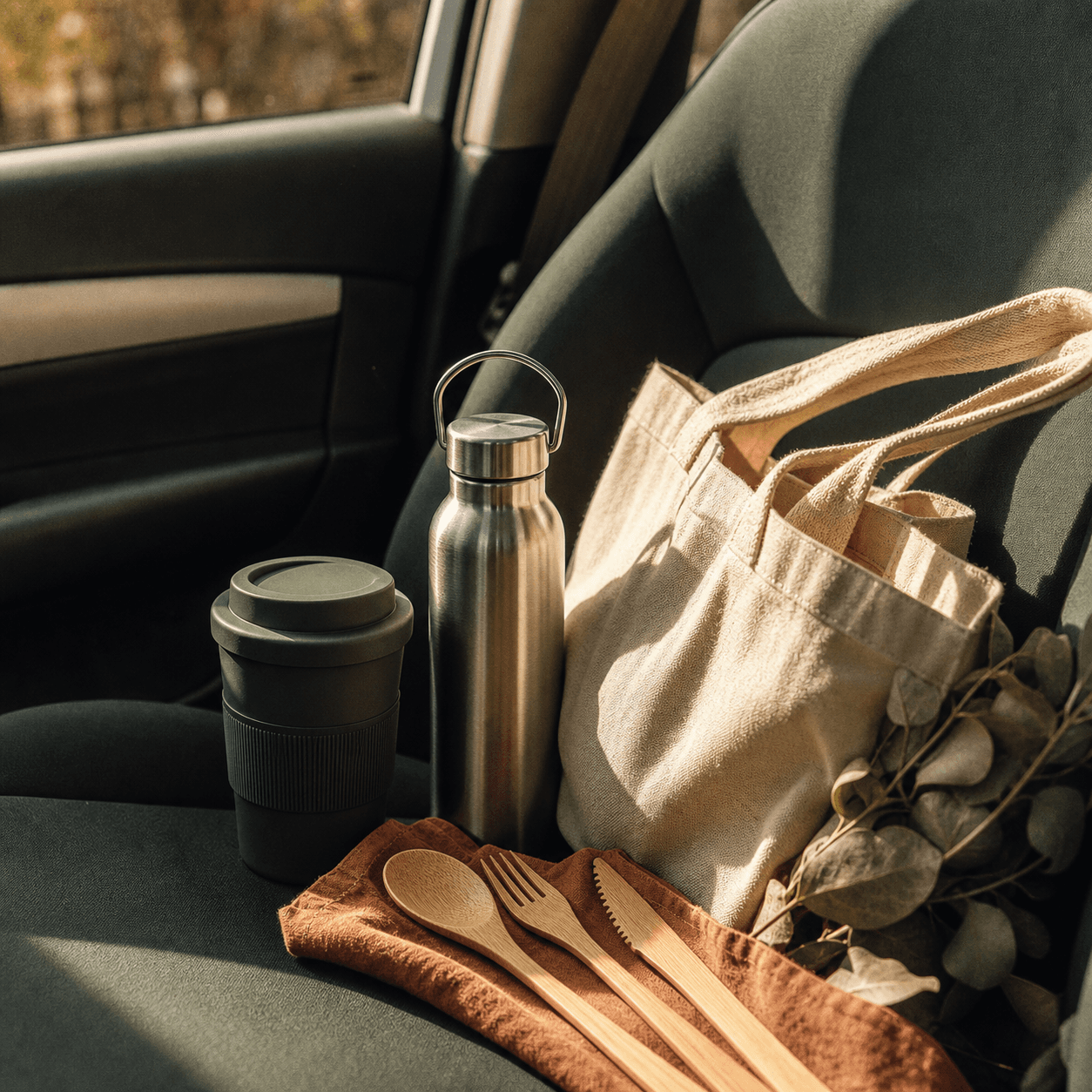
Your containers are your packaging, so a little prep pays off. Glass jars, stainless tins, and sturdy reusable bags all work. Make sure everything is clean and, importantly, completely dry, especially for dry goods like flour that clump with any moisture.
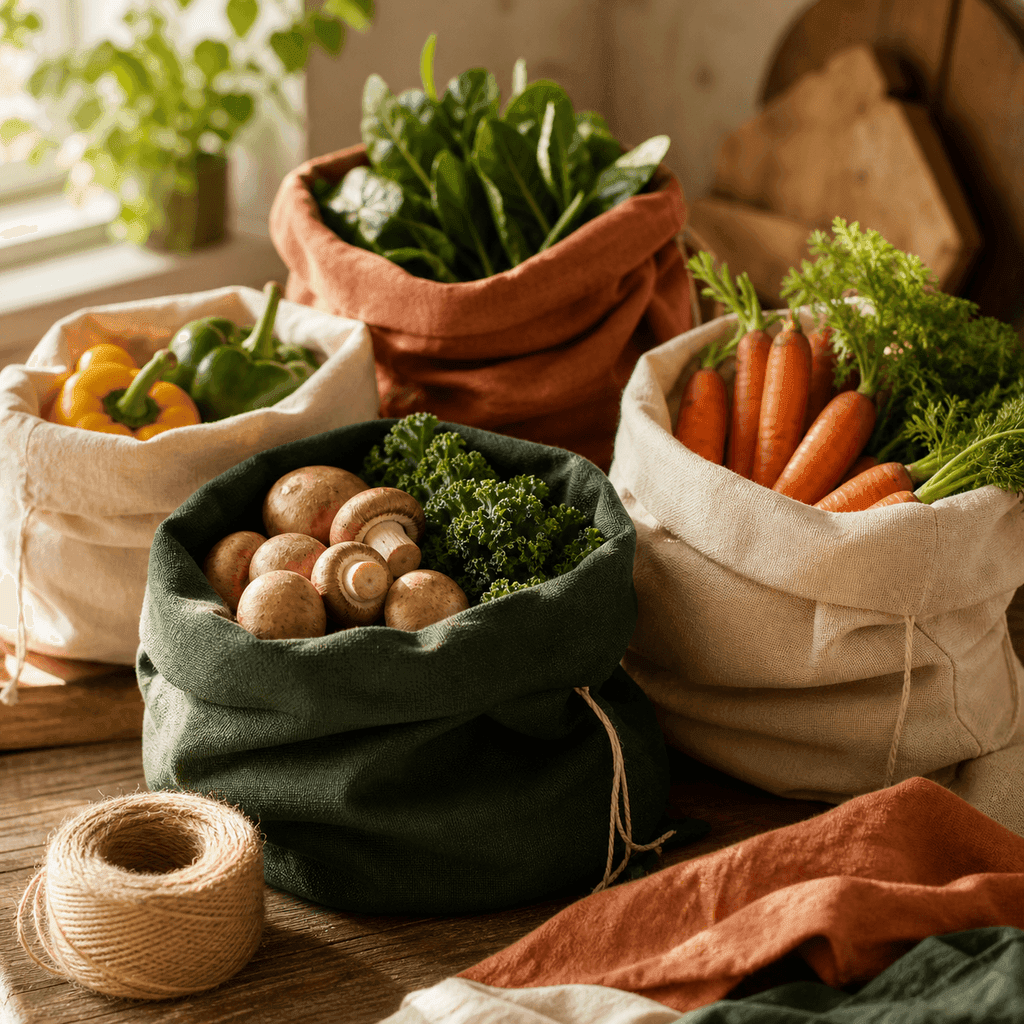
Match the container to the product. Wide-mouth jars are easiest to fill and clean. Bottles with a funnel handle liquids. Cloth bags are light and great for produce or grains you'll transfer at home. Bring a few more than you think you'll need, since it's frustrating to eye a great deal on cashews with nowhere to put them.
The Step-by-Step Flow
Once you know the pattern, every refill store feels familiar. Here's the typical order of operations:
- Weigh empties first. Record the tare of each container using the store's scale.
- Note the product code. Each bin has a PLU or SKU number; jot it down or use the store's tags so the cashier knows what you're buying.
- Fill mindfully. Use the provided scoops and funnels. Take only what you'll use before it goes stale.
- Check out. The cashier weighs the full container, subtracts the tare, and charges you for the contents.
That's the entire system. After one trip it becomes muscle memory, and you'll start eyeing the packaging on everything else in your life.
Buying only what you'll actually eat is the quiet superpower of bulk shopping: less waste in the bin and less money out the door.
Start Small and Build
You don't have to convert your entire pantry on day one. The people who stick with package-free shopping are the ones who start with a handful of items and let the habit grow. Pick three or four things you buy regularly, oats, coffee, dish soap, rice, and refill just those the first few visits.
There's a real budget angle too. Because you buy exact amounts, you can grab a quarter cup of an expensive spice for a single recipe instead of a whole jar that expires in your cabinet. Buying staples in larger refills often costs less per ounce than the packaged version, since you're not paying for the box.
Handling the Awkward Parts
A few honest heads-ups. Not every store handles every product safely for BYO containers, so check whether they prefer you use their bags for things like bulk peanut butter. Liquids can be messy; go slow on the dispenser and keep a cloth in your bag.
If your area doesn't have a dedicated refill shop, look for a bulk aisle at a natural grocery, a food co-op, or a farmers market vendor who'll fill your jar. Some cleaning-supply brands now offer mail-back or in-store refill stations at regular supermarkets, which is an easy on-ramp.
Package-free shopping isn't about buying a whole new lifestyle. It's about swapping the default, so the flour comes home in your jar instead of a bag you'll toss in five minutes. Bring clean containers, remember the tare, and start with a few staples. Before long, the empty-handed trip to the packaged aisle will feel like the strange one.
Emily Bennett
Zero-Waste Home Writer
Emily focuses on the low-waste home — refills, natural cleaning, and calm, clutter-free swaps that actually stick. She believes greener living should feel good. More from Emily →