No-Sew DIY Cloth Produce Bags Anyone Can Make
Make reusable cloth produce bags with no sewing machine, using old shirts, pillowcases, and simple knots to skip plastic at the grocery store.
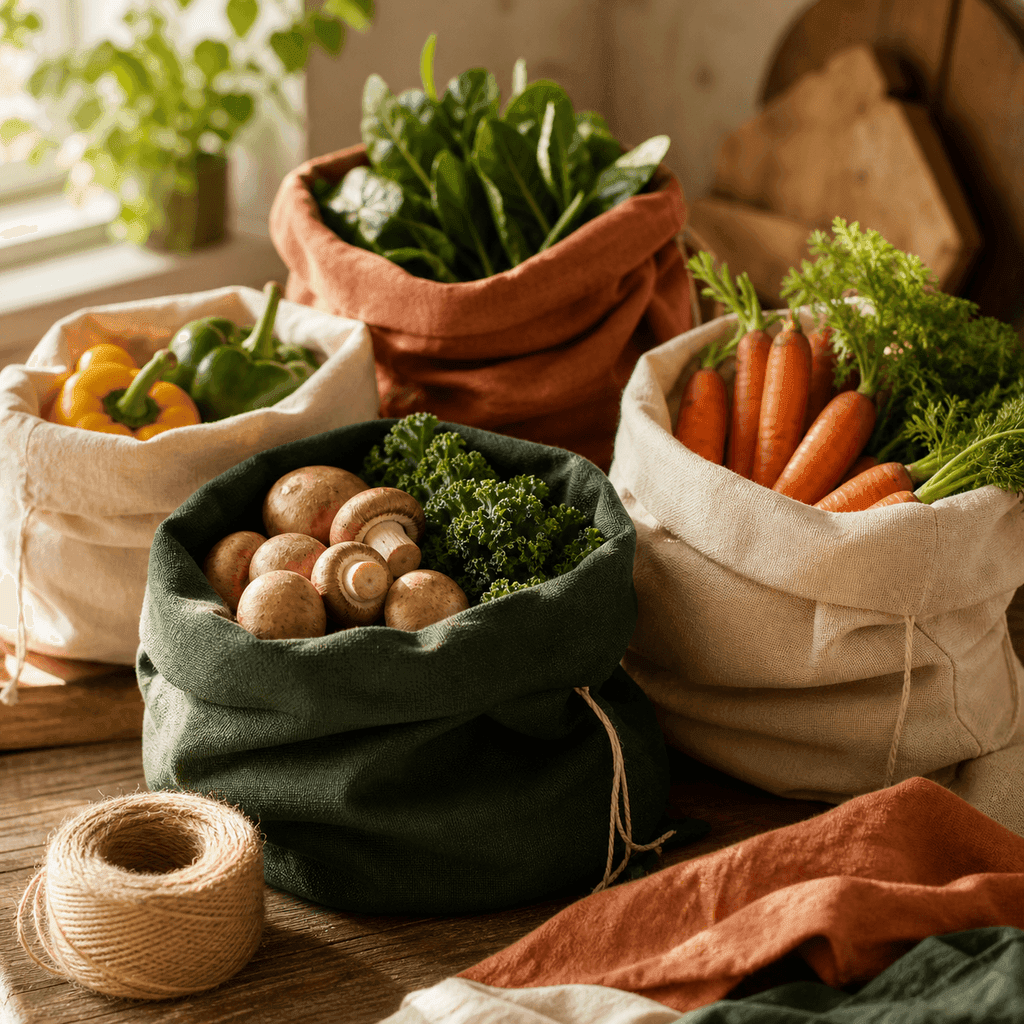
I made my first cloth produce bag out of an old band T-shirt I couldn't bear to throw away, and honestly it still hauls apples every week. If a sewing machine has been the thing standing between you and ditching those flimsy plastic produce bags, good news: you don't need one. These no-sew DIY cloth produce bags come together with fabric you already own and about ten minutes of your time.
Let's walk through a few methods, from the truly no-effort to the slightly more polished.
Why Cloth Produce Bags Are Worth It
Those thin plastic bags at the grocery store are used for the length of a shopping trip and then linger for centuries. They're rarely recyclable in curbside programs and are notorious for jamming recycling machinery. Reusable cloth bags cut that waste to zero, and lightweight cotton or mesh weighs almost nothing, so it barely affects the checkout scale.
There's a practical bonus too. Breathable cotton actually keeps greens and herbs fresher than sealed plastic, which traps moisture and speeds up rot. Your spinach lasts longer, and you keep another handful of bags out of the landfill.
The T-Shirt Bag (No Sew, No Glue)
This is the fastest project in the bunch, and it's a great way to rescue a stained or outgrown shirt.
- Lay a T-shirt flat and cut off both sleeves along the seams. The armholes become handles.
- Cut a scooped-out curve where the collar is to open up the top.
- Turn the shirt inside out and, along the bottom hem, cut vertical slits about an inch apart and a couple inches deep, making a fringe.
- Tie each front fringe strip tightly to its matching back strip in a double knot across the whole bottom.
- Turn it right-side out. The knots are hidden inside, and you've got a sturdy tote.
For smaller produce bags, use a kid's shirt or cut a large shirt in half. The knotted bottom is surprisingly strong, easily handling a full load of oranges.
The Pillowcase Bag With Iron-On Hem Tape
If you want something closer to a drawstring bag without touching a needle, iron-on hem tape (also called fusible bonding tape) is your friend. It's a strip of adhesive webbing that melts between two layers of fabric under a hot iron, creating a permanent bond.
- Start with a clean cotton pillowcase, which already has three sealed sides.
- Fold the open edge down about an inch to make a channel, tucking hem tape inside the fold.
- Press with a hot, dry iron per the tape's instructions, usually 10 to 15 seconds per section, leaving a small gap in the channel.
- Thread a length of cotton cord or a shoelace through the channel with a safety pin to make a drawstring.
Cut the pillowcase down first if you want smaller bags, using the same hem-tape trick to seal any raw edges. The result looks tidy enough that no one would guess it was a no-sew job.
The most sustainable bag is the one you already have the materials to make, not the one you order new.
The Dish-Towel Fold-and-Knot
For a quick single-item wrap, a thin cotton dish towel or a large cloth napkin needs no cutting at all. Place your produce in the center, gather the corners, and tie two opposite corners over the top, then the other two, bundle-style. It's the same idea as a Japanese furoshiki wrap and works beautifully for a head of lettuce or a bunch of herbs.
This method is ideal if you're hesitant to cut up fabric permanently, since the towel goes right back to drying dishes afterward.
Caring for Your Bags So They Last
Cloth bags reward a little upkeep. Shake out crumbs after each use and toss them in with a regular cotton laundry load, then air-dry to prevent shrinkage on any glued or fused seams. If you used fabric glue or hem tape, skip high-heat drying, which can weaken the bond over time.
A few habits keep them in rotation:
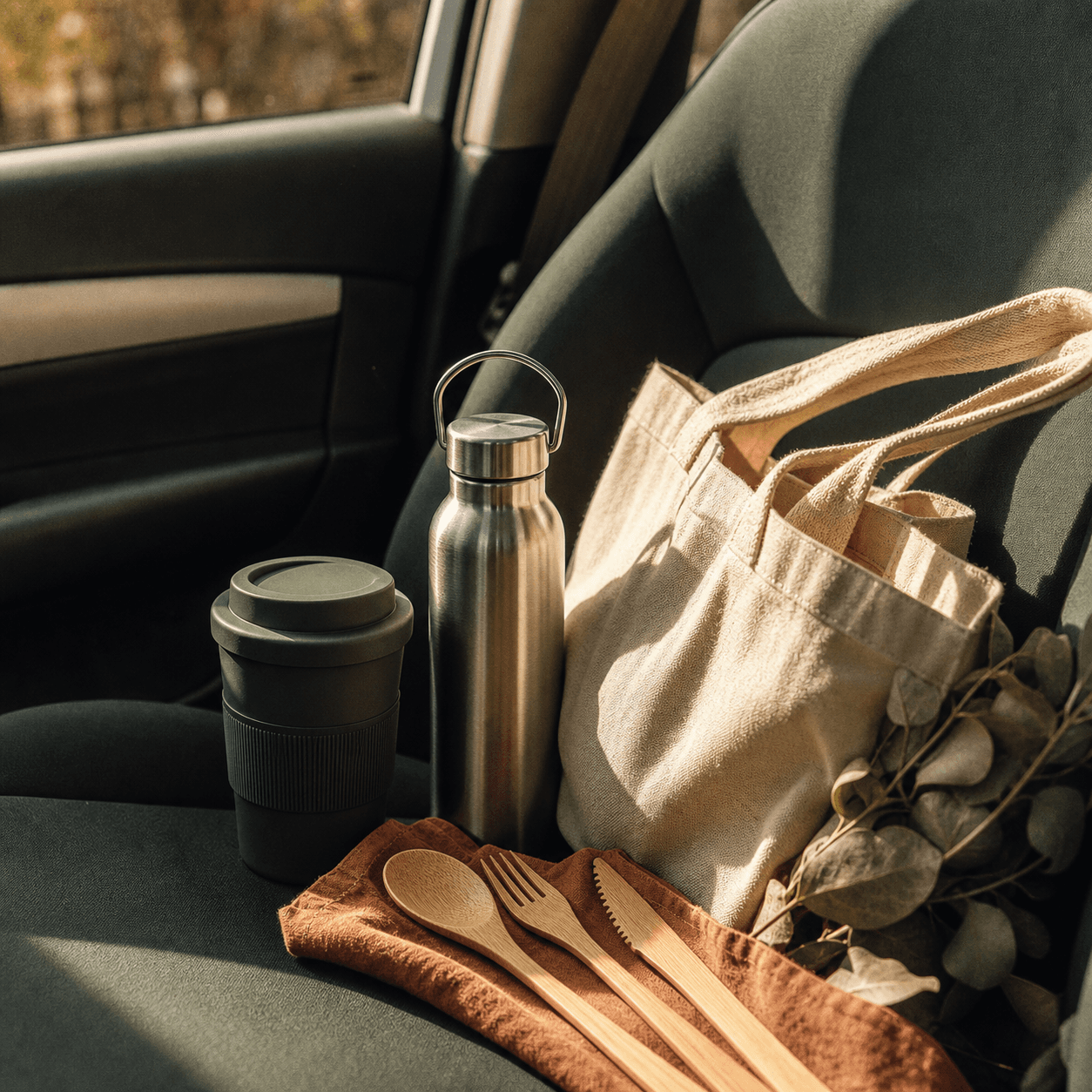
- Stash a couple of folded bags in your car or main tote so you never forget them
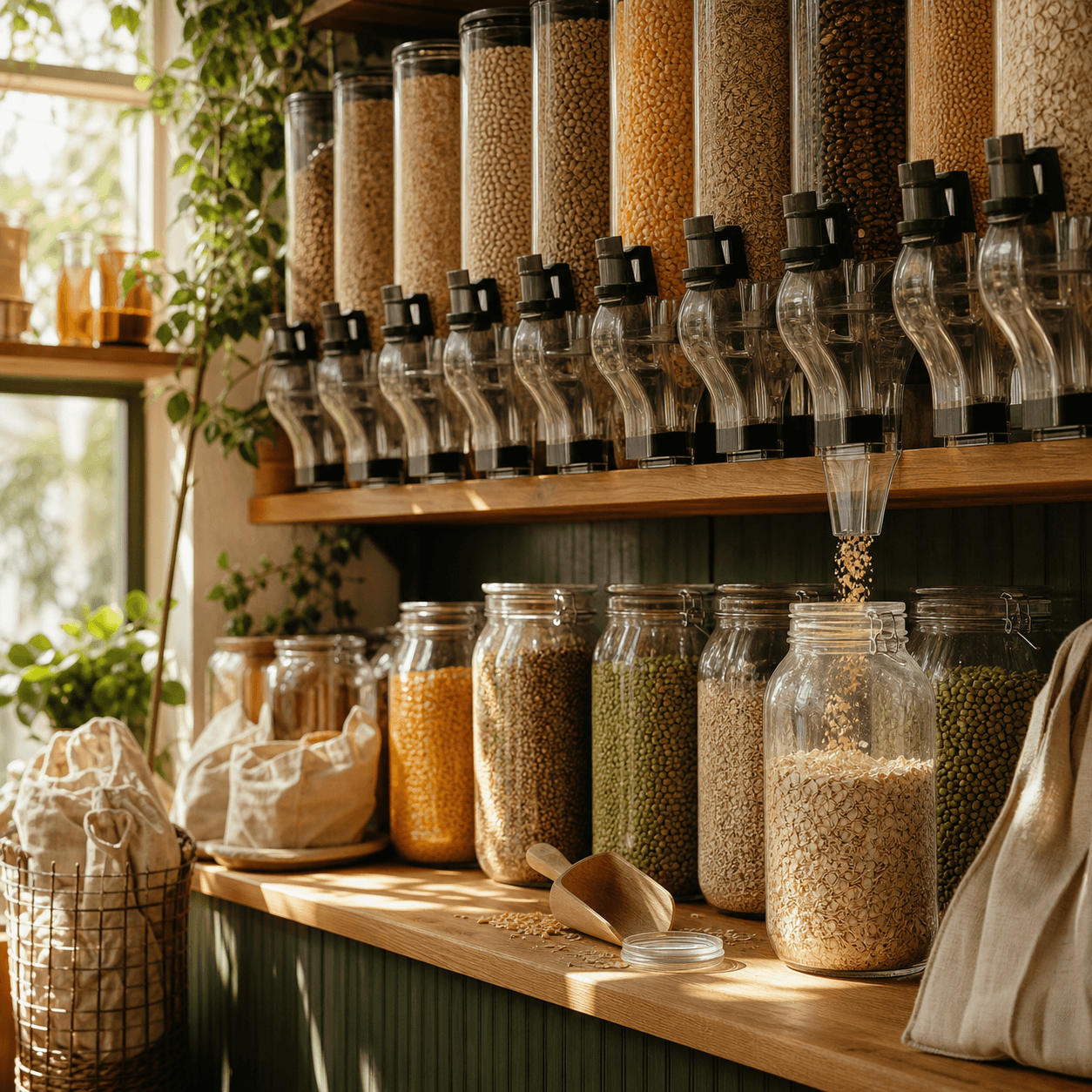
- Weigh empty and note the tare if your store charges by weight for bulk goods
- Keep a mix of sizes, small for mushrooms and herbs, large for potatoes and greens
The beauty of the no-sew approach is that there's no barrier to starting. Cut up one old shirt tonight, and tomorrow's grocery run is already a little lighter on plastic. Make a few more when the mood strikes, and soon the plastic produce roll at the store will feel like a relic you've happily left behind.
Emily Bennett
Zero-Waste Home Writer
Emily focuses on the low-waste home — refills, natural cleaning, and calm, clutter-free swaps that actually stick. She believes greener living should feel good. More from Emily →