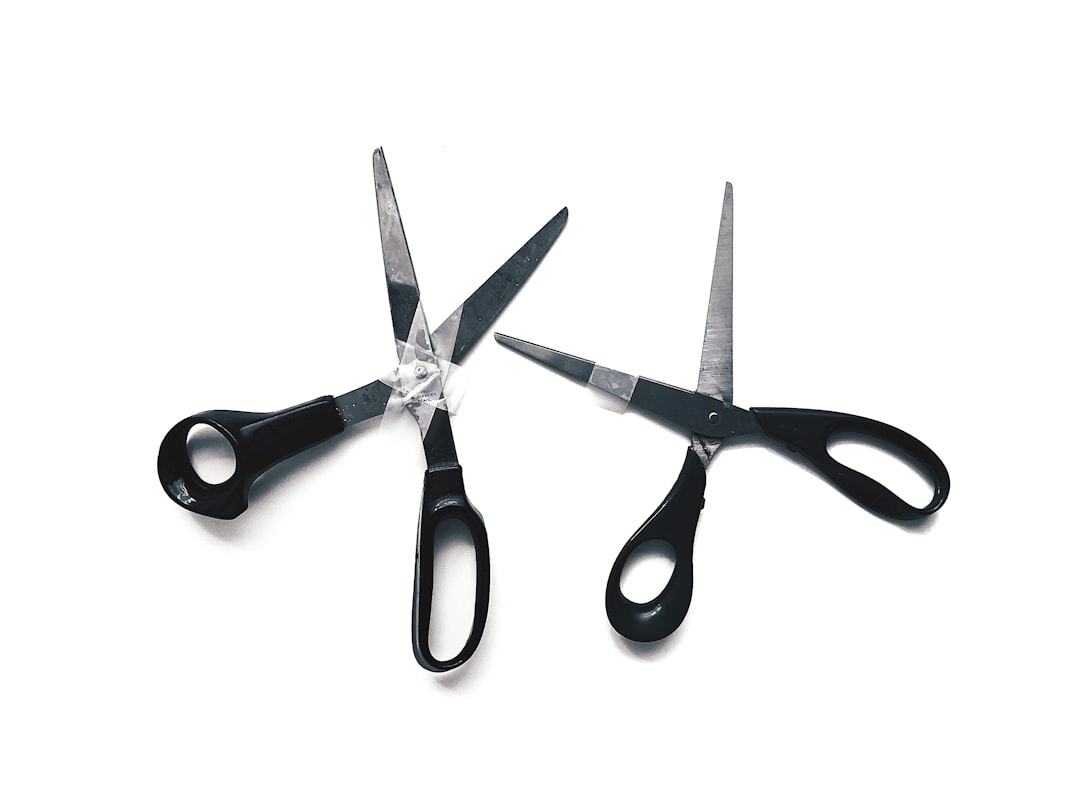
Honestly, kitchen scissors might be the most overlooked tool in the whole kitchen. I use mine almost every single day — snipping herbs, cutting pizza, trimming meat — and for the longest time I just… never thought about sharpening them. Then one day I noticed I was basically sawing through a bag of spinach instead of cutting it. Sharp scissors are safer, faster, and just way less frustrating. Here’s what actually works to keep them in good shape.
Types of Kitchen Scissors and Their Needs
Not all kitchen scissors are built the same, and that matters when you’re thinking about maintenance. Your everyday pair — the ones you grab for herbs, pizza, and ripping open stubborn packaging — just need a light sharpening every couple of months if you’re using them regularly. Poultry shears are a different beast. They’re built to cut through bone and joints, so they don’t dull as fast, but when they do go dull, they really go dull — that’s worth a trip to a professional sharpener. And those herb scissors with the five little blades? Skip trying to DIY those. The foil method (more on that in a second) is about as far as I’d go with those at home.
The Foil Method for Kitchen Scissors
This one surprised me the first time I tried it. Grab a sheet of regular aluminum foil, fold it into about 6 to 8 layers, and just cut through it 10 to 15 times using full, slow open-and-close strokes. That’s it. The light abrasion from the foil is enough to knock off any dullness that’s built up between more serious sharpenings. I do this once a month since I use my scissors pretty much every day, and it really does keep them feeling crisp. Takes maybe two minutes.
Deep Sharpening With Sandpaper
Sometimes the foil just isn’t cutting it anymore — pun intended. When that happens, sandpaper is your next move. Fold a piece of 150 to 200 grit sandpaper rough side out and cut through it ten to fifteen times with full strokes. Then follow up with 400 grit for a smoother, cleaner edge. My husband thought this sounded ridiculous until I handed him the scissors after and he tried them on some fresh basil. He was sold. Just make sure you wipe the blades completely clean and dry them before you put them away.
Sharpening on a Whetstone
If you want the sharpest result you can get at home, this is the way to go. First, check if your scissors come apart — most decent kitchen scissors have a center screw, and you can just unscrew it to separate the two blades. I actually tried this last winter with a pair I’d had for years and had basically written off. Sharpen each blade individually on a whetstone, following whatever bevel angle is already on the blade. Reassemble, test on a piece of paper. Those scissors came back to life. Totally worth the extra few minutes.
After Sharpening: Cleaning and Care
Once you’re done sharpening, give the blades a good wipe with a clean cloth to get rid of any tiny metal filings — you really don’t want those ending up in your food. A small drop of food-safe mineral oil on the pivot point keeps everything moving smoothly and prevents rust. And please don’t just toss them loose in a junk drawer where they’re banging around against bottle openers and peelers. A knife block, a simple sheath, or a wall-mounted holder will keep the edges in much better shape between uses.
Final Thoughts
I spent years ignoring my kitchen scissors and then wondering why simple tasks felt annoying. Keeping them sharp is genuinely one of those small habits that makes everyday cooking feel easier — less fighting with your food, less force, less mess. The foil method once a month takes two minutes. A deeper sandpaper sharpening every six months takes maybe ten. A good pair of scissors, properly looked after, can easily last a decade or more. Mine are going on seven years and still going strong.
Check out our other eco-friendly guides.