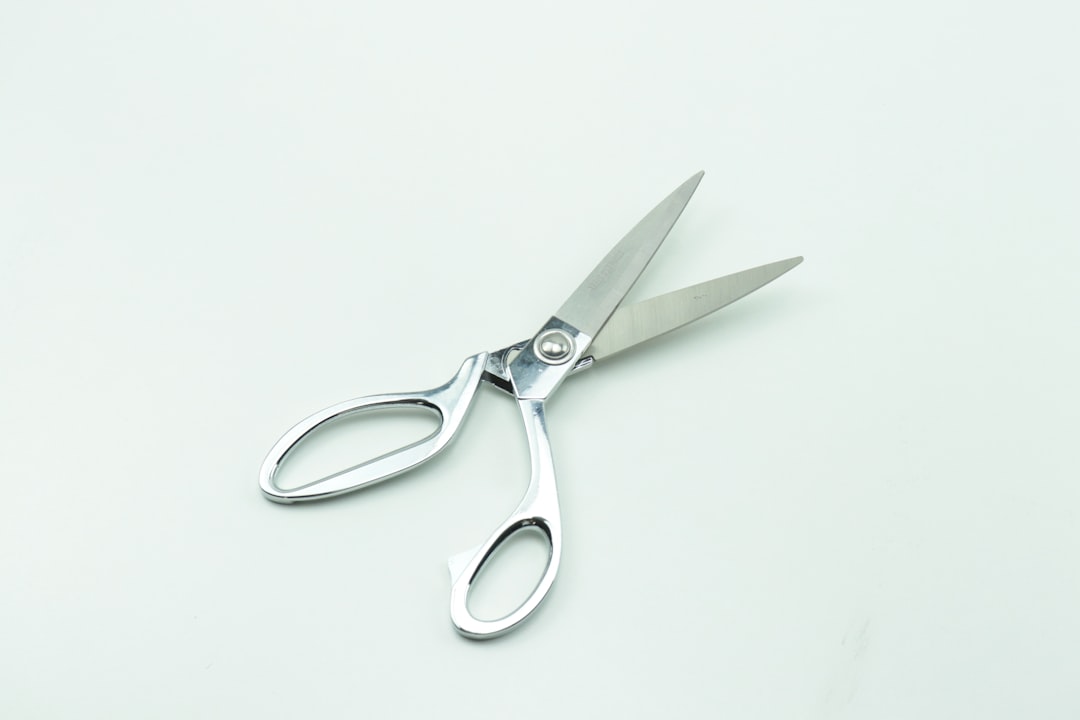
Fabric scissors aren’t just “nice scissors.” They’re a different tool entirely, and once you treat them that way, everything about sewing gets easier. The second you let someone cut wrapping paper with them, though? You’ll feel it on your next cut. Here’s how to protect that edge — and bring it back when it’s already gone.
Why Fabric Scissors Dull Differently
Here’s the thing most people don’t realize: fabric shears are ground at a much finer angle than your kitchen scissors or craft scissors. That precision is exactly what gives you that satisfying, clean slice through cotton or chiffon — but it also means the edge is more delicate. Run them through one sheet of cardboard and you’ve essentially done the same damage as cutting fabric dozens of times. The good news? That fine edge also responds beautifully to proper sharpening, way better than a cheap pair of scissors ever would.
Prevention First: Fabric-Only Rule
Honestly, this is 80% of the battle right here. Never use your fabric scissors for anything else — not tape, not paper, not opening packages. I put a small piece of washi tape on my handles with a little “F” written in Sharpie, and I keep them in my sewing basket where no one can “borrow” them. My husband learned this the hard way when I caught him cutting printer paper with mine. A pair of shears that only ever touches fabric will stay sharp three to five times longer than one that gets grabbed for miscellaneous tasks. That’s not an exaggeration.
The Sandpaper Method for Fabric Scissors
This one surprised me the first time I tried it — it actually works. Grab some 400-grit sandpaper (fine, not coarse), fold it with the rough side facing out, and make 10 to 15 full cuts through it like you’re cutting fabric. The fine grit is gentle enough to hone that precise edge without chewing it up. I actually tried this last winter on a pair I’d nearly written off, and they were noticeably better after. Just don’t reach for the 80-grit stuff — that’s way too aggressive for quality shears and you’ll do more harm than good.
The Whetstone Method
If you want to get a little more hands-on, a whetstone gives you more control. Open the shears all the way, hold one blade flat against the stone, and try to match the existing bevel angle — you’ll feel it when you’ve got it right. Stroke the blade smoothly away from you, eight to ten times, keeping steady contact the whole way. You should hear a soft hissing sound; that’s what you want. Do both blades, then switch to the fine side of the stone. Finish by stropping the edge on a piece of leather or even a strip of cardboard. It takes maybe five minutes once you get the hang of it.
When to Go Professional
If your shears cost more than $30, please just take them in for professional sharpening every year or two. I know it feels like an extra errand, but it’s so worth it. Lots of local sewing shops do it, and I’ve also seen it offered at farmers markets and hardware stores — usually somewhere between $3 and $6. That’s nothing compared to replacing a good pair of Ginghers. The edge you get from a professional sharpening machine is just cleaner and more consistent than anything you can do at home, and you’ll notice the difference the second you make your first cut.
Final Thoughts
Start with the fabric-only rule — that alone will change how long your shears last. Then keep the sandpaper method in your back pocket for a quick touch-up when things start feeling draggy. And once a year, spend the five bucks and let a pro put a real edge back on them. I’ve been sewing for years and these three things have kept my shears in genuinely great shape. Your future self, cutting through silk without a single snag, will thank you.
Check out our other eco-friendly guides.