How to Reduce Your Plastic Use at Home: 20 Practical Tips
Twenty practical, realistic tips to reduce your plastic use at home, room by room, without blowing up your routine or your budget.

Cutting plastic doesn't mean blowing up your whole routine. Most of these swaps took me less than a week to get used to, and a few I barely noticed at all. Over about three years, I've brought our household plastic waste down by roughly sixty percent, not by white-knuckling it, but just by finding better alternatives that actually work. Here's how to reduce your plastic use at home, room by room.
In the Kitchen (5 Changes)
This is where I started, and it made the biggest dent fastest.
- Beeswax wraps replace cling film entirely and mold to a bowl with the warmth of your hands.
- Silicone stretch lids cover cans, jars, and cut fruit without a scrap of plastic wrap.
- Reusable silicone bags take over from zip-top bags for snacks, leftovers, and freezer storage.
- Glass containers store leftovers better than plastic, don't stain, and go straight in the oven.
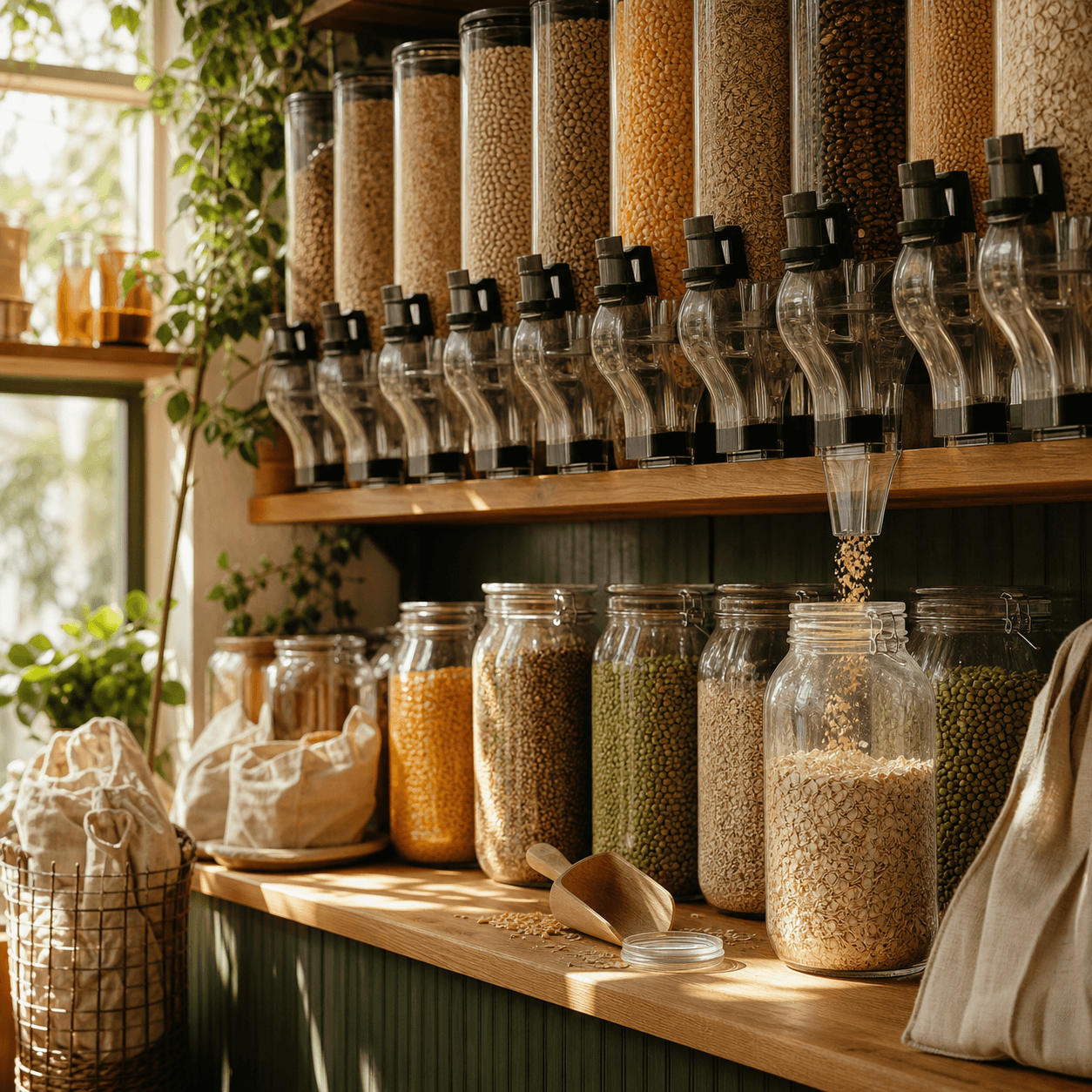
- Buy in bulk with your own jars and cloth bags to skip the packaging on grains, beans, and nuts.
The kitchen is where plastic hides in plain sight. Once you see the wrap, the bags, and the bottles for what they are, the swaps become obvious.
In the Bathroom (5 Changes)
The bathroom is the quiet plastic factory of most homes, all those bottles and tubes.
- Bar soap instead of bottled body wash, which is mostly water in a plastic jug anyway.
- Shampoo and conditioner bars last surprisingly long and travel without leaking.
- Bamboo toothbrushes swap out a fistful of permanent plastic four times a year.
- Safety razor replaces a lifetime of disposable cartridges with recyclable steel blades.
- Toothpaste tablets or jars cut out the un-recyclable squeeze tube.
In the Laundry Room (4 Changes)
- Laundry sheets or powder in cardboard replace the giant plastic detergent jug.
- Wool dryer balls stand in for single-use dryer sheets and cut drying time too.
- A microfiber-catching bag or filter keeps synthetic fibers out of the water supply.
- Line-dry when you can to save energy and reduce wear that sheds microplastics.
Around the House and Out Shopping (6 Changes)
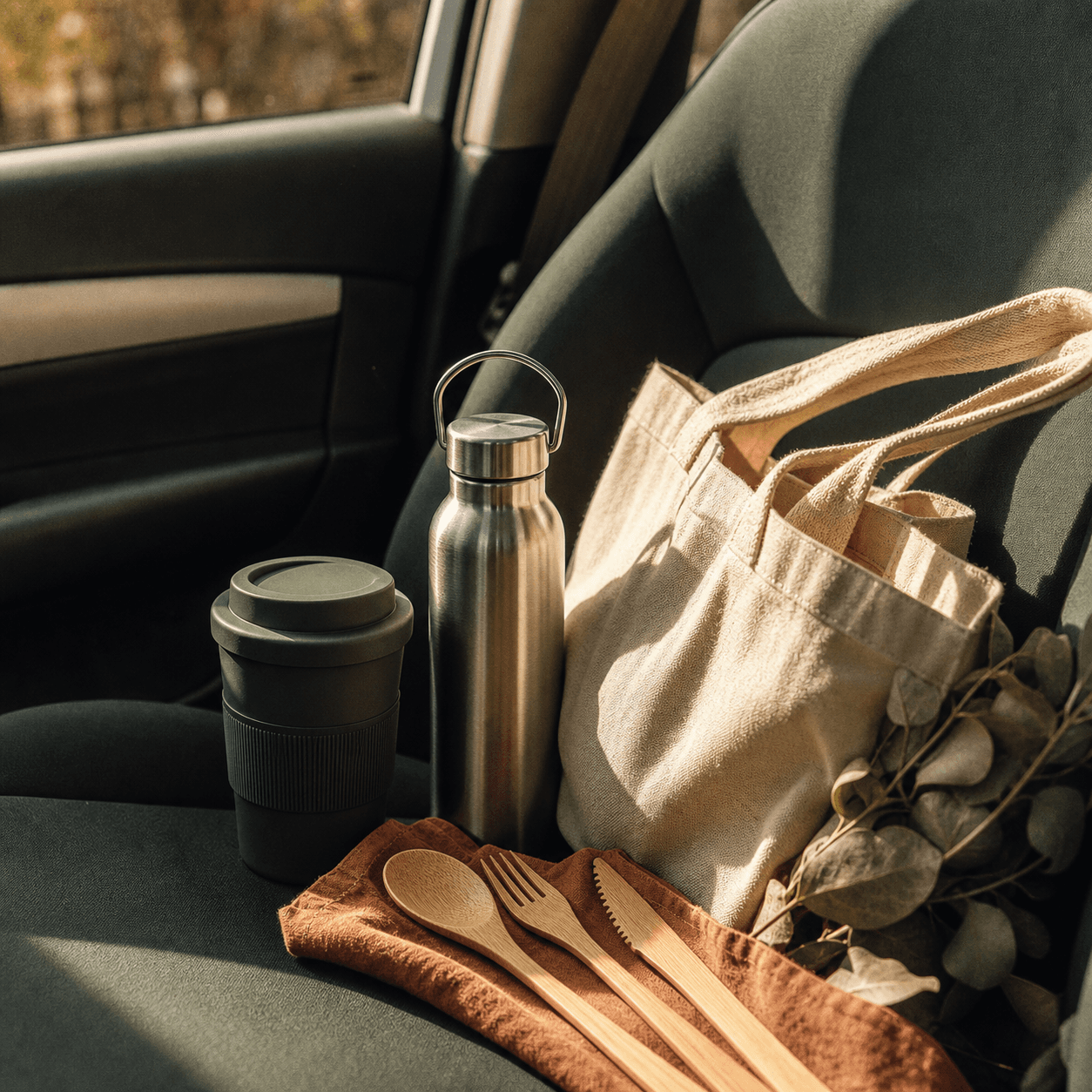
- Reusable shopping totes kept in the car so you actually have them at checkout.
- Mesh produce bags for loose fruit and vegetables instead of the thin plastic rolls.
- A refillable water bottle to retire single-use bottles for good.
- Loose-leaf tea or plastic-free tea bags, since many conventional bags contain plastic.
- Concentrated cleaners you dilute at home in a bottle you refill again and again.
- Compostable or paper packaging whenever you get to choose between two similar products.
Start Small and Let It Snowball
You don't have to do all twenty at once, and honestly you shouldn't try. Pick two or three that fit your life, let them become automatic, then add a couple more. That's how habits actually stick.
Focus on the Frequent Stuff
The swaps that matter most are the ones you touch daily. Beeswax wraps beat a fancy gadget you use twice a year, because you'll reach for them every single day. Chase the everyday items and the numbers add up quietly on their own.
Three years in, none of this feels like sacrifice. It feels like a home that runs a little cleaner, costs a little less on the throwaway stuff, and sends a lot less to the landfill. Start with the kitchen this week, and see how far it carries you.
Sarah Mitchell
Founder & Editor
Writer, home cook, and slightly obsessive gardener sharing small, doable ways to live a little lighter. Sarah started Earth Friendly Blogs at her own kitchen table. More from Sarah →