TerraCycle and Hard-to-Recycle Items: A Complete Guide
How TerraCycle and free mail-in programs let you recycle toothpaste tubes, snack wrappers, and other hard-to-recycle items your curbside bin rejects.
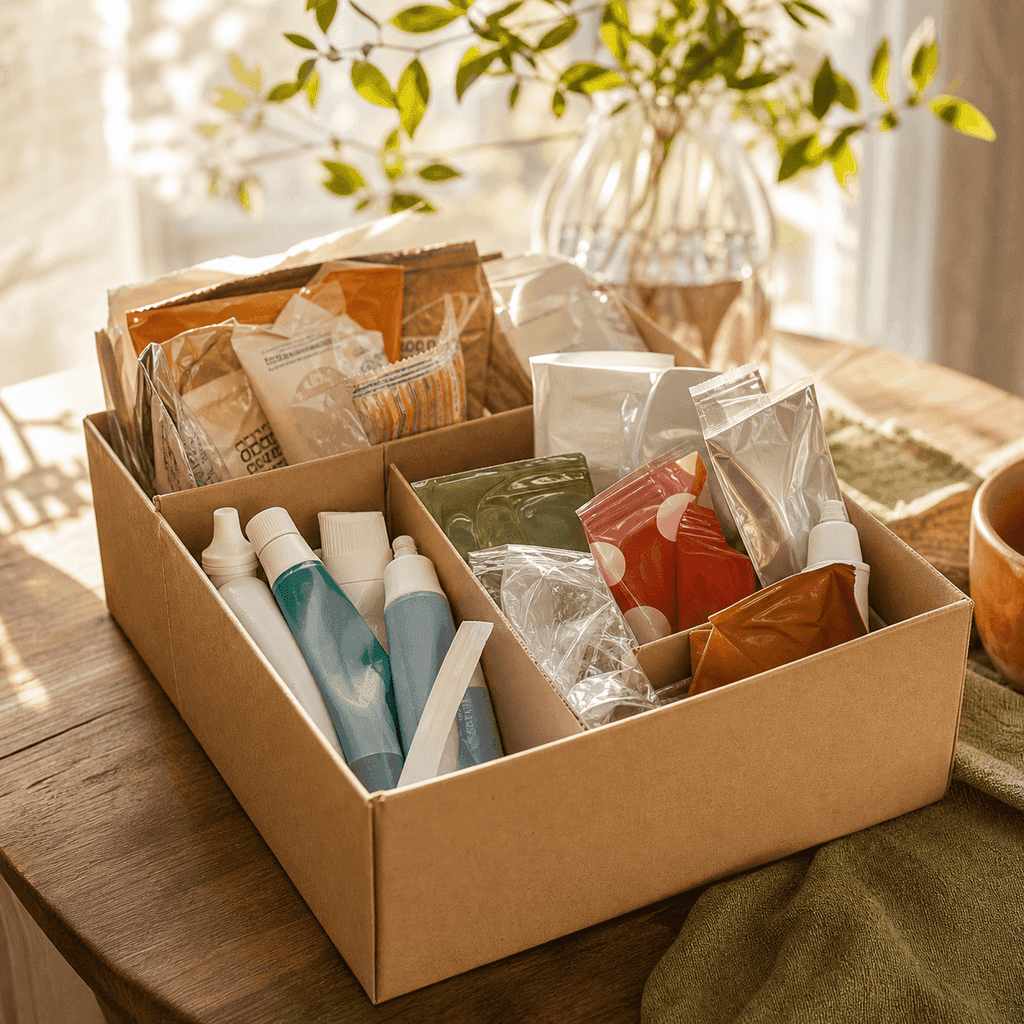
If you have ever stood over your trash can holding an empty toothpaste tube, wondering whether it counts as recyclable, you are not alone. Most of the trickiest packaging in our homes falls into a frustrating gap that curbside bins simply will not touch, and that is exactly where hard-to-recycle solutions come in.
The good news is that "not curbside recyclable" no longer has to mean "landfill forever." A whole category of mail-in and drop-off programs now handles the stuff your local hauler rejects, and once you know the system, it becomes a quiet, satisfying part of your routine.
Why Some Items Are So Hard to Recycle
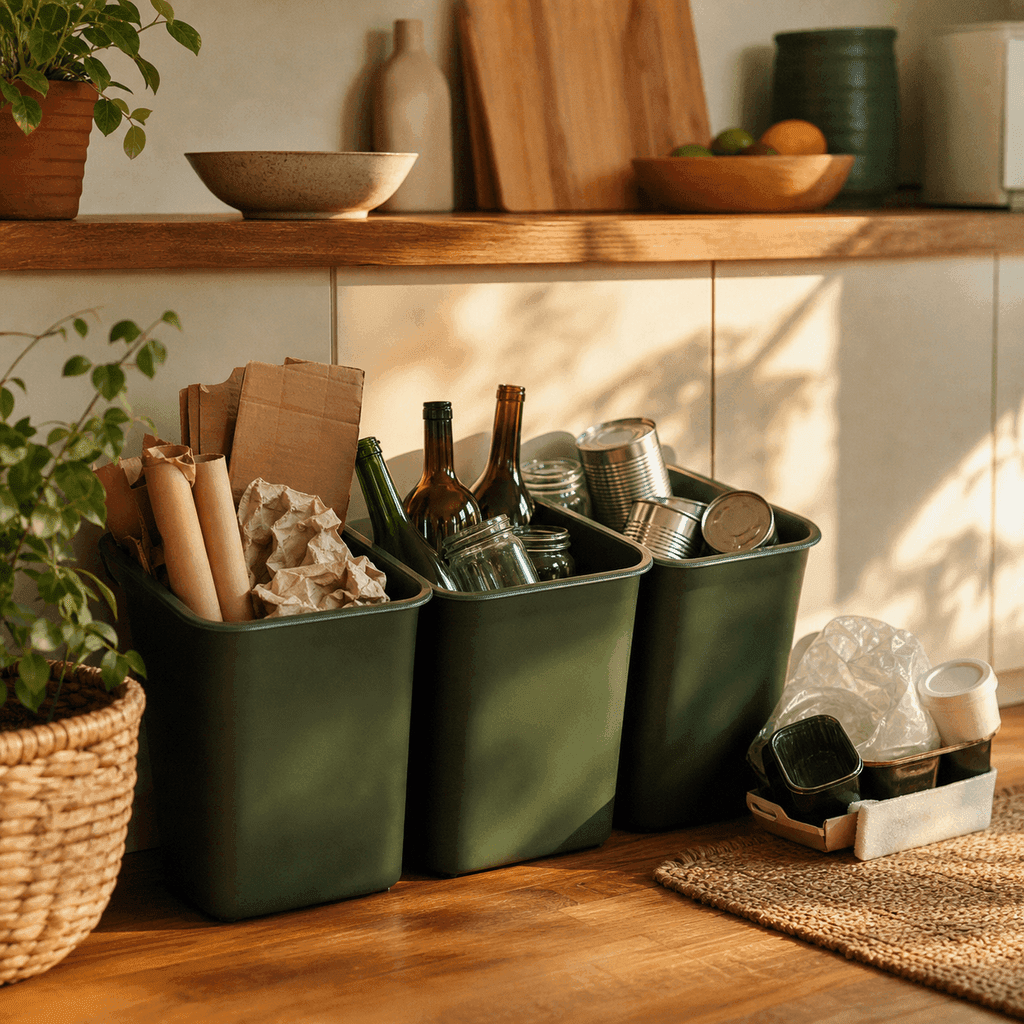
Curbside recycling is built for a handful of high-value, easy-to-sort materials: aluminum cans, steel, clean cardboard, paper, and certain rigid plastics like bottles and jugs. These have established buyers and machines that can sort them quickly.
Everything else tends to be rejected for practical reasons:
- Multi-layer packaging like chip bags and squeeze pouches fuses plastic, foil, and film together, and those layers cannot be economically separated.
- Small items like pens, razors, and bottle caps fall through sorting screens and jam equipment.
- Flexible films like bread bags and produce bags wrap around spinning machinery and shut down a facility.
- Mixed-material products like toothbrushes combine several plastics with no single recycling stream.
Because there is little profit in processing these materials, most cities never built the infrastructure for them. That is the gap specialized programs were designed to fill.
How TerraCycle Actually Works
TerraCycle is a company that partners with brands and manufacturers to recycle the packaging traditional systems ignore. It runs two main types of programs, and understanding the difference saves you money.
Free brand-sponsored programs are paid for by companies that want their packaging recycled. You sign up on TerraCycle's website, collect qualifying items, print a prepaid shipping label, and mail your box in for free. Popular free programs over the years have covered oral care products, certain snack wrappers, contact lens materials, and beauty empties.
Zero Waste Boxes are the paid option. You buy a box for a specific waste type, such as coffee capsules, plastic gloves, or "all-in-one" mixed waste. The price includes shipping and processing. These are handy for offices, classrooms, or households that generate a steady stream of one hard-to-recycle material.
Once your shipment arrives, the materials are sorted, cleaned, and processed. Plastics are typically shredded into pellets that become new products like park benches, shipping pallets, or watering cans. Metals and fibers are separated and sold into their own recycling streams.
The core idea is simple: almost everything is technically recyclable. The barrier is usually cost, not chemistry, and these programs exist to cover that cost.
A Room-by-Room Look at Common Culprits
Knowing which items qualify makes collection effortless. Here are the usual suspects, organized by where they pile up.
Bathroom
Toothpaste tubes, toothbrushes, floss containers, empty deodorant sticks, razors, and cosmetic tubes are frequent candidates. Many oral care and beauty brands sponsor free take-back programs, so check the manufacturer's website first.
Kitchen
Snack wrappers, coffee capsules, plastic film, and clean bread bags all have homes outside the trash. Plastic film and grocery bags are best handled at store drop-off bins found at many large grocery and retail chains, which is often faster than mailing.
Home Office and Everyday
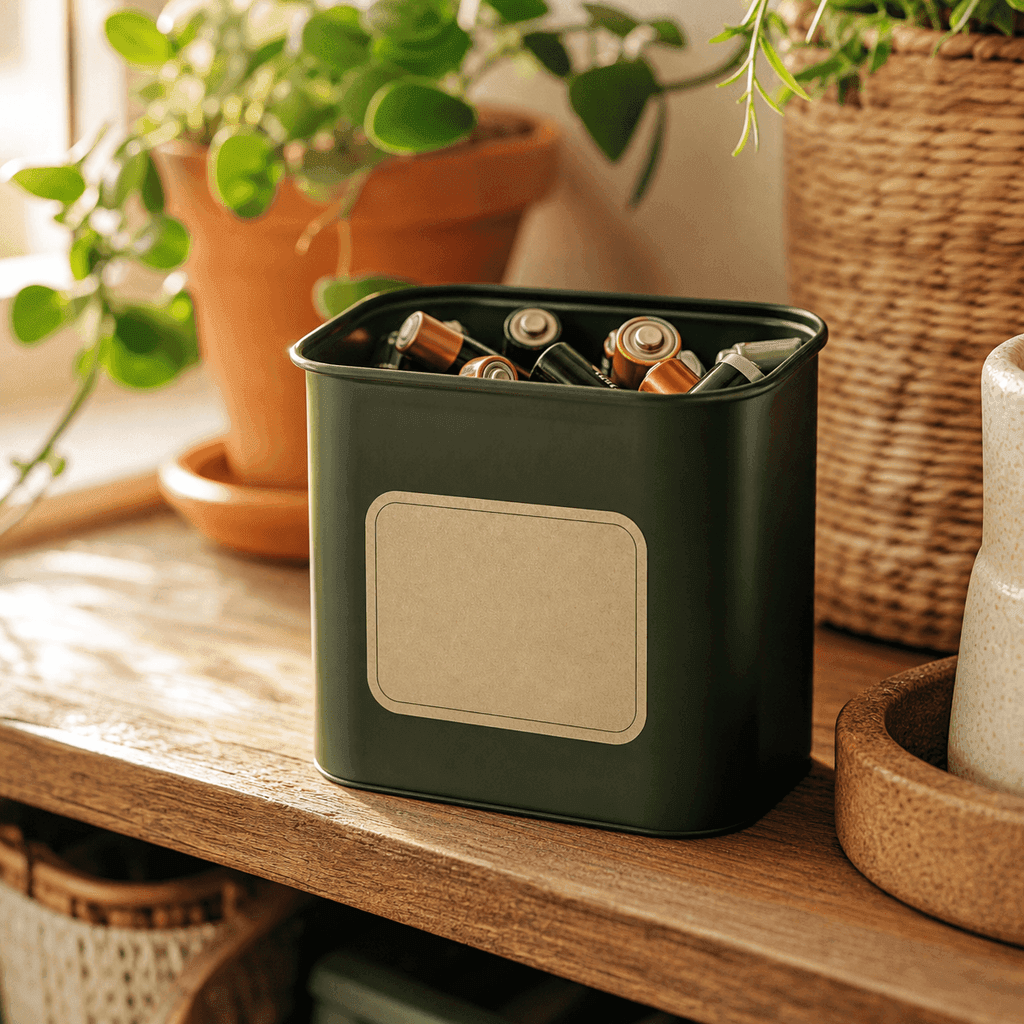
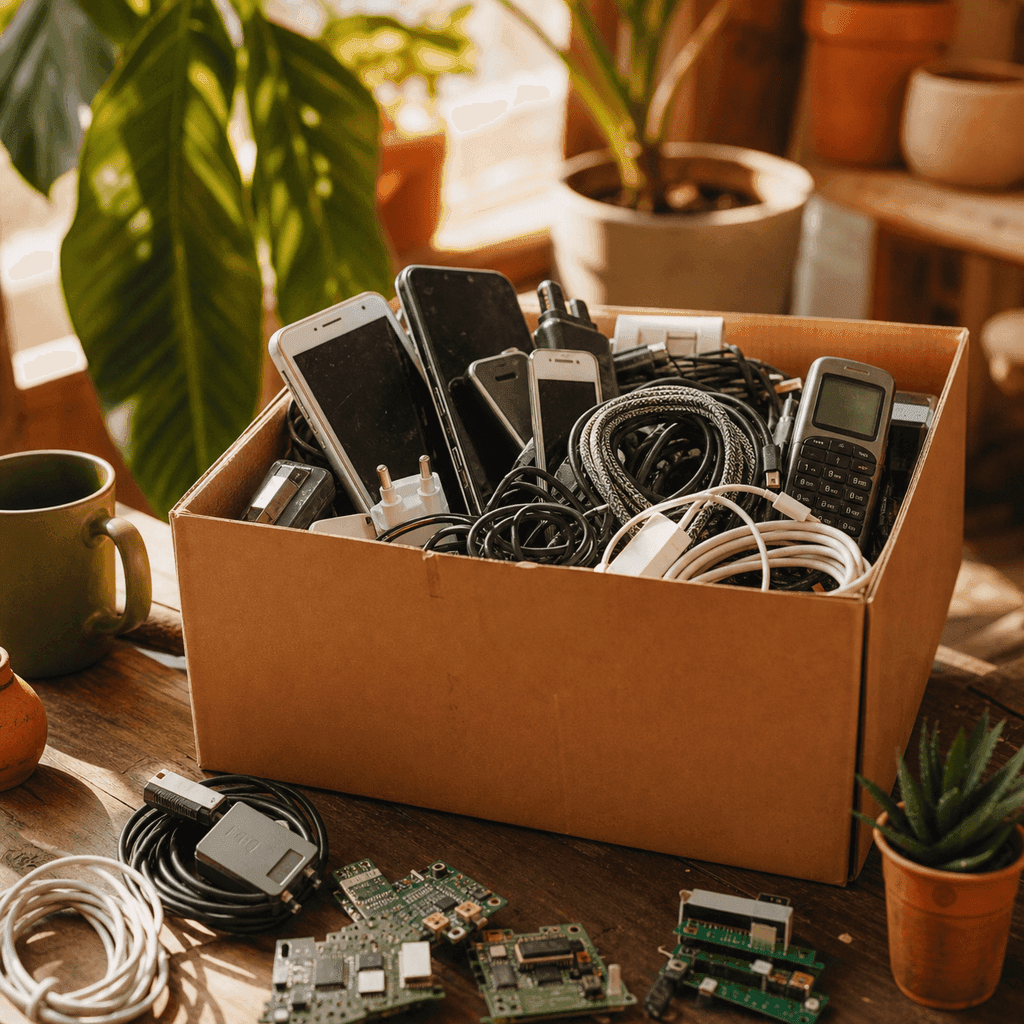
Pens, markers, and highlighters have long been collected through writing-instrument programs. Old electronics, batteries, and light bulbs should go to dedicated e-waste or hazardous-waste collection rather than any mail-in box.
Getting the Most Out of the System
A few practical habits keep these programs working smoothly and prevent your shipment from being rejected.
- Read the accepted-items list carefully. Each program has strict rules. A snack-wrapper program may accept only certain brands or wrapper types.
- Rinse and dry lightly. You do not need spotless packaging, but knock out crumbs and residue so your box does not arrive moldy.
- Do not overpack random materials. Mixing unaccepted items into a specific program's box can cause the whole shipment to be discarded.
- Combine forces. Free programs often reward you faster when you collect with neighbors, a workplace, or a school, since larger shipments qualify for points and prizes some programs offer.
When Reducing Beats Recycling
It is worth remembering that mailing waste across the country still uses energy, so recycling is the last resort, not the first. Before you collect, look for ways to avoid the packaging entirely: buy bar soap and shampoo instead of bottled, choose loose produce over pre-bagged, switch to refillable toothpaste tablets, or buy snacks from bulk bins with your own container.
Think of hard-to-recycle programs as a safety net for the packaging you genuinely cannot avoid. Used that way, they turn a pile of frustrating trash into something genuinely useful, and they give you a real, workable answer the next time you are standing over the bin with a toothpaste tube in hand.
Sarah Mitchell
Founder & Editor
Writer, home cook, and slightly obsessive gardener sharing small, doable ways to live a little lighter. Sarah started Earth Friendly Blogs at her own kitchen table. More from Sarah →